Nutrition
Expert advice on healthy eating habits, balanced diets, and the science behind nutrition.

How to Maximize Iron, Zinc, and Calcium Absorption on a Plant-Based Diet
Plant-based eaters can significantly enhance iron, zinc, and calcium absorption by optimizing food preparation and pairing. Strategies include using vitamin C to boost iron uptake, employing techniques like soaking and fermentation for zinc and calcium, and ensuring adequate vitamin D.

Why Science Can't Yet Promise You Health Benefits From Your Spice Rack
Herbs and spices contain bioactive compounds with potential health benefits, but scientific evidence for preventing or treating disease in humans is limited. Understanding the journey from spice to body reveals why definitive health claims are rare and encourages realistic expectations.

Why You Crave What You Crave — and How to Pick the Right Strategy to Stop It
Food cravings are complex responses driven by hormones, brain reward pathways, emotions, and learned associations, not simply a failure of willpower. By diagnosing the trigger—emotional, habitual, or physiological—you can apply targeted strategies for effective management.

USDA Adds Watermelon Rind Nutrition Data to Food Database
The USDA FoodData Central now includes an official nutrition profile for raw watermelon rind, revealing it contains fiber, potassium, and vitamin C.

New Study Reveals Ultra-Processed Foods Dominate Toddler Diets
In a recent audit of 21 Texas grocery stores, a staggering 81% of 2,783 toddler food products were classified as ultra-processed, with 49% failing to meet basic World Health Organization (WHO) nutriti

2026 Survey Reveals Surveillance Impact on Civic Engagement
Nearly half of all Americans have avoided political or civic activities in the last six months, not due to direct threats, but out of fear of being monitored by technologies they largely support for p

New Study Reveals Poor Nutrition Access Affects Older Americans with Myasthenia Gravis
A recent study found that nearly 40% of older adults with Myasthenia Gravis report difficulty chewing or swallowing, directly impacting their ability to consume nutrient-dense foods, according to the

New York State Legislators Target Added Sugars in Junk Food Marketing
Childhood obesity rates in New York City surged to 20% in 2022, a stark increase from 15% just a decade ago, according to the NYC Dept.

Planetary Health Diet in Pregnancy Linked to Higher Nutrient Intake
A new study reveals that pregnant women adhering to the Planetary Health Diet consume more essential nutrients like folate and iron. However, the diet alone doesn't cover all prenatal needs, emphasizing the continued importance of supplementation.

Eating the Same Meals May Boost Weight Loss, New Study Finds
A new study challenges the popular belief that dietary variety is always best for weight loss, finding that repetitive eating may lead to greater success. This research is part of a broader re-examination of widely accepted wellness practices.

New Study Finds Simple Eating Habit Boosts Weight Loss
People who ate the same meals more frequently lost more weight over 12 weeks, according to a new study. This simple eating habit could offer a practical new strategy for effective weight loss.

GLP-1 Medications Change Nutritional Needs, Sparking New Products
The rise of GLP-1 medications is reshaping nutritional science. Learn how these drugs impact dietary needs and why specialized nutrition products are becoming essential for users.

Missouri House Approves 'Food is Medicine' Bill for Medicaid Patients
The Missouri House has approved a 'Food is Medicine' bill, a bipartisan effort to help Medicaid recipients with chronic diet-related illnesses access healthy food and nutritional counseling. This initiative aims to improve health outcomes and reduce long-term healthcare expenditures.

CMS Memo Reinforces Hospital Nutrition Obligations for Patients
The Centers for Medicare & Medicaid Services (CMS) has issued a memo reminding hospitals of their obligations to meet federal nutrition standards, tying patient meals to the 2025–2030 Dietary Guidelines for Americans and Medicare reimbursement.

AHA New Dietary Guidelines Emphasize Plants for Heart Health
The American Heart Association has released updated dietary guidelines, emphasizing plant-based proteins and whole foods for optimal heart health. These recommendations aim to reduce cardiovascular disease risk and differ from some federal advice.

Trinity Health Food as Medicine Programs Target Community Health and Nutrition
Healthcare systems like Trinity Health are expanding 'Food as Medicine' initiatives, integrating nutrition into clinical care to improve community health. This strategic shift focuses on preventing and managing illness while bolstering local food economies.

Pediatricians Offer Sports Nutrition Strategies for Active Kids, Busy Families
With hectic schedules disrupting family meals, the American Academy of Pediatrics is providing timely sports nutrition strategies to help active kids thrive.

Danone Acquires Huel in Reported €1 Billion Nutrition Deal
French food giant Danone is acquiring UK meal replacement brand Huel for an estimated €1 billion, signaling a significant move into the rapidly expanding complete nutrition market. This deal combines Huel's digital expertise with Danone's global reach, promising increased accessibility and innovation.
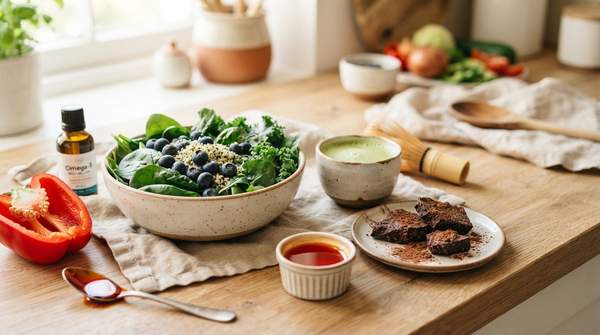
Four Evidence-Backed Foods That Support Skin Health—and the Compounds That Make Them Work
Discover four evidence-backed foods—astaxanthin, green tea, dark leafy greens, and dark chocolate—and the specific compounds that support skin health through antioxidant and anti-inflammatory actions. Learn how these foods protect against UV damage, improve hydration, and reduce signs of aging.

How to Choose a Plant-Based Protein Powder: A Complete Amino Acid Decision Guide
Choosing the right plant-based protein powder involves understanding essential amino acid profiles, as single sources often lack completeness. This guide helps you select a blend or single-source powder based on your goals, amino acid needs, and dietary restrictions.
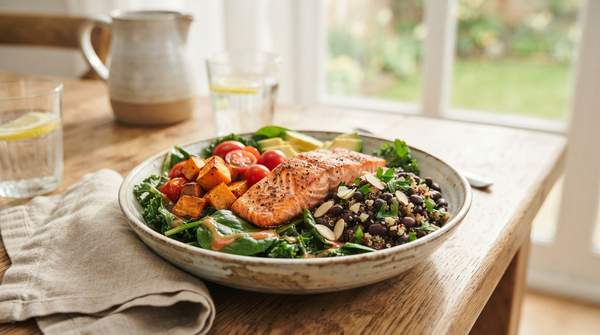
Why Some Nutrients Work Better Together: The Science of Pairing Foods for Absorption
Nutrient synergy describes how combining certain foods can enhance the absorption and effectiveness of vitamins, minerals, and phytonutrients beyond their individual benefits. Understanding key mechanisms like fat-facilitated absorption, chemical conversion, and tissue targeting allows for deliberate food pairings to optimize health.

How to Maximize Nutrient Absorption on a Plant-Based Diet
Learn how to enhance nutrient absorption on a plant-based diet by understanding anti-nutrients and employing effective preparation techniques. Discover strategies for boosting iron, zinc, and fat-soluble vitamin uptake through smart food pairings and cooking methods.

Experts debunk superfoods claims, emphasize balanced nutrition for health
Despite powerful nutritional profiles, the true value of 'superfoods' like acai or kale stems from their role in a balanced diet, not from a marketing label or a single antioxidant, according to USA T

Spain reviews menopause nutrition guidelines after male data outcry
In March, Spain's national food safety agency, AESAN, published nutritional guidelines for menopausal women that were entirely based on studies conducted exclusively on men, according to the New York

Discover 6 Essential Foods for Optimal Daily Health
A recent 5-year study involving 10,000 participants found that consistently eating just six specific foods reduced the incidence of chronic diseases by a staggering 30%, according to the Journal of Cl
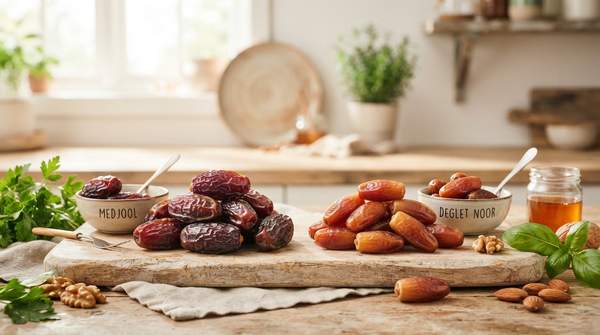
Medjool vs. Deglet Noor Dates: Which Variety Fits Your Health Goals?
Medjool and Deglet Noor dates offer distinct nutritional profiles, with Deglet Noor slightly higher in fiber and Medjool richer in certain minerals like potassium and copper. Choosing between them depends on your specific health goals, such as digestive support or energy needs.
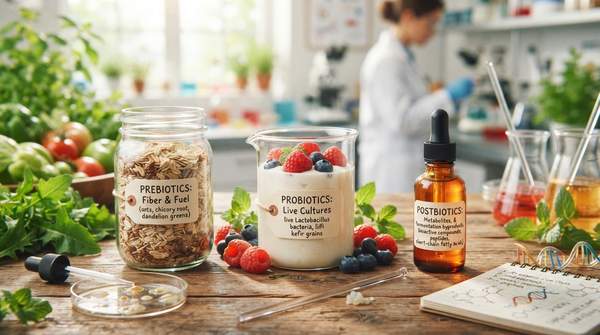
What Are Postbiotics? The Scientific Definition, and How They Differ From Prebiotics and Probiotics
Postbiotics are defined as inanimate microorganisms or their components that confer a health benefit on the host, differentiating them from live probiotics and prebiotic food sources. The ISAPP consensus definition clarifies their distinct role in wellness.

How Fermented Foods Influence Mood Through the Gut-Brain Axis
The gut-brain axis facilitates a constant, two-way communication influencing mood and cognition. Emerging research highlights how fermented foods, acting as psychobiotics, can positively impact this dialogue by modulating neurotransmitters and reducing inflammation, offering a dietary avenue for mental well-being.

Unlocking Plant-Based Iron and Zinc: A Practical Guide to Absorption
Optimizing iron and zinc absorption from plant-based foods involves understanding bioavailability, inhibitors like phytic acid, and enhancers like vitamin C. Strategic preparation techniques and smart meal pairings can significantly boost your body's ability to utilize these essential minerals.

Inulin, FOS, and GOS: How Their Structures Shape Your Gut Health
Inulin, FOS, and GOS are distinct prebiotics whose chemical structures determine their unique effects on gut bacteria, fermentation speed, and metabolic health. Understanding these molecular differences is crucial for selecting the right prebiotic for specific wellness goals.