Gut Health
30 articles

Postbiotics Explained: The Non-Living Compounds Your Gut Bacteria Make for You
Postbiotics are beneficial, non-living compounds produced by gut bacteria when they digest food, offering health benefits without the risks associated with live probiotics. They represent the end-products of microbial activity, contributing to gut health, immune modulation, and reduced inflammation, making them a promising option, particularly for vulnerable populations.
FOS and GOS Are Not Interchangeable: How Two Major Prebiotics Differ in the Gut and the Immune System
Fructo-oligosaccharides (FOS) and galacto-oligosaccharides (GOS) are distinct prebiotics with different impacts on gut health and immune responses, meaning they are not interchangeable. Understanding these differences allows for targeted choices based on specific health goals.
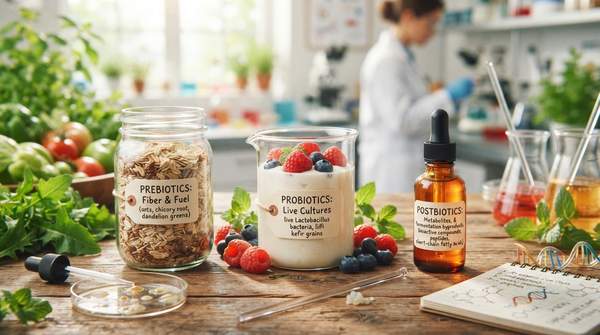
What Are Postbiotics? The Scientific Definition, and How They Differ From Prebiotics and Probiotics
Postbiotics are defined as inanimate microorganisms or their components that confer a health benefit on the host, differentiating them from live probiotics and prebiotic food sources. The ISAPP consensus definition clarifies their distinct role in wellness.

Kefir vs. Kombucha: How to Pick the Fermented Drink That Fits Your Gut and Your Sugar Goals
Kefir and kombucha are popular gut-friendly fermented drinks, but they differ significantly in base ingredients, probiotic diversity, taste, and sugar content. Choosing between them depends on your personal preferences for dairy, texture, and sugar goals.
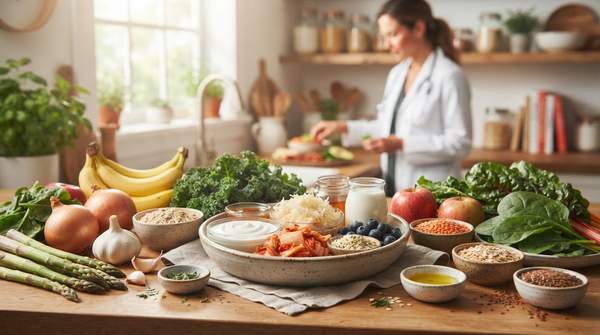
Gastroenterologist-Backed Foods for a Healthier Gut: What to Eat and What to Ease Up On
Support your gut microbiome by incorporating both probiotic foods, which add beneficial bacteria, and prebiotic foods, which feed them. Gastroenterologists recommend a diverse diet rich in these foods while advising caution with fatty, fried, or spicy items.

Inulin, FOS, and GOS: How Their Structures Shape Your Gut Health
Inulin, FOS, and GOS are distinct prebiotics whose chemical structures determine their unique effects on gut bacteria, fermentation speed, and metabolic health. Understanding these molecular differences is crucial for selecting the right prebiotic for specific wellness goals.
Postbiotics: A Distinct Approach to Gut Health Compared to Prebiotics and Probiotics
Postbiotics are beneficial compounds derived from microorganisms, offering a distinct approach to gut health by providing inactive microbial components and metabolites. Unlike prebiotics and probiotics, they deliver health benefits without introducing live cultures, focusing on strengthening the gut barrier and reducing inflammation.
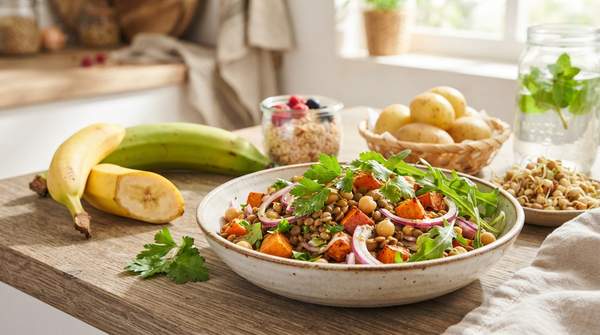
Boosting Gut Health and Blood Sugar Control with Resistant Starch
Resistant starch, a carbohydrate that bypasses small intestine digestion, ferments in the large intestine to feed beneficial gut bacteria and produce short-chain fatty acids. Incorporating it can improve gut health and help regulate blood sugar levels.

What is the Gut Microbiome and Its Role in Health?
The U.S. Food and Drug Administration (FDA) has warned of severe or fatal infections in premature infants given probiotics. This fact alone proves not all gut health interventions are universally safe

What are the long-term benefits of mindful eating for digestion?
Women suffering from Irritable Bowel Syndrome (IBS) experienced a remarkable 38.

Top Autumn Fruits for Heart, Gut, and Bone Health in 2026
A single cup of cranberries, often relegated to holiday sauces, delivers more antioxidant power than many year-round 'superfruits,' directly supporting heart and gut health.

Simple Gut Health Steps & Solutions
A monthly supply of a popular multi-strain probiotic can cost $30-$60, yet studies reveal that simply increasing dietary fiber or consuming fermented foods often delivers superior gut health benefits.

Gut-Friendly Foods for Better Digestive Health
Only 5% of Americans meet the recommended daily fiber intake, consuming an average of just 16.

What Is the Science of Fermentation in Food and Gut Health?
The majority of essential vitamins, including B12 and riboflavin, found in nutritional supplements and fortified processed foods reach consumers through fermentation.

What Are the Science and Health Benefits of Food Fermentation?
A specific probiotic bacterium discovered in kimchi may offer a novel defense against environmental pollutants.

What Are Fermentation Principles for Home Cooks and Their Health Benefits?
Just 100 grams of natto, a traditional Japanese fermented soybean dish, can deliver a substantial 50–100 micrograms of Vitamin K2.

What Is the Science of Fermentation and Its Culinary Uses?
Despite millennia of consumption and growing scientific evidence of their health benefits, there are currently no official guidelines for fermented food servings, leaving consumers to navigate a compl

What is the Gut Microbial Health Index?
A 2023 study found that individuals with a Gut Microbial Health Index (GMHI) in the top quartile had a 30% lower risk of developing Type 2 Diabetes over five years, according to Lancet Diabetes & Endo

3 Plant Based Protein Sources For Gut Health In 2026
The 'good' phenols, like phenylpropionate and hippuric acid, are vital for gut health.

Plant-Based Diet and Protein for Gut Health and Longevity
For optimal longevity, individuals under 65 should keep their protein intake surprisingly low, specifically between 0.

What Are the Principles of Mindful Eating for Digestion?
Chewing each mouthful 30 times, a core tenet of mindful eating, significantly enhances digestion and reduces discomfort.

Soluble vs. Insoluble Fiber: Which Type Boosts Gut Health More?
Over the last few centuries, dietary fiber intake has plummeted, directly contributing to the global epidemics of obesity, type 2 diabetes, and other metabolic disorders.

Understanding Probiotics: Regulatory Gaps and Consumer Health
While two specific probiotic-derived products, Ferring Pharmaceuticals’ REBYOTA™ and Seres/Nestlé Health Science’s VOWST™, recently gained FDA approval to treat recurrent Clostridioides difficile infe

Top 10 Easy Gut-Healthy Dinner Recipes for Blood Sugar Management
A single dinner rich in prebiotics and probiotics can significantly reduce post-meal blood sugar spikes compared to a standard low-carb meal, often with more satisfying flavors.

6 Gut-Healthy Summer Recipes for Digestive Wellness
Producing and transporting out-of-season foods demands significant resources, impacting the environment, increasing costs, and diminishing food quality.

What is the gut microbiome and how does it boost athletic performance?
During a grueling 160-km race, nearly 47% of participants reported debilitating upper gastrointestinal complaints.

What Are Fermented Foods and Why Do They Boost Oral and Gut Health?
After just 10 weeks, a diet rich in fermented foods led to a measurable decrease in 19 distinct inflammatory proteins in healthy adults, alongside a significant boost in gut microbiome diversity.

How Does the Gut Microbiome Affect Mental Health and Well-being?
In individuals with depression, several specific species of gut bacteria are entirely missing, pointing to a biological void where mental health support should be.

7 High Protein Toast Toppings Beyond Peanut Butter for 2026
Dr. Joseph Salhab, a gastroenterologist, recently shared a recipe for high-protein probiotic cream cheese, signaling a shift in how experts view simple breakfast toast. Toast is often considered a qui

Prebiotics vs Probiotics: Which Is Better for Gut Health?
Some advanced gut health supplements, like Ritual Synbiotic+, command nearly $2 per serving.