Prebiotics
12 articles
FOS and GOS Are Not Interchangeable: How Two Major Prebiotics Differ in the Gut and the Immune System
Fructo-oligosaccharides (FOS) and galacto-oligosaccharides (GOS) are distinct prebiotics with different impacts on gut health and immune responses, meaning they are not interchangeable. Understanding these differences allows for targeted choices based on specific health goals.
What Are Postbiotics? The Scientific Definition, and How They Differ From Prebiotics and Probiotics
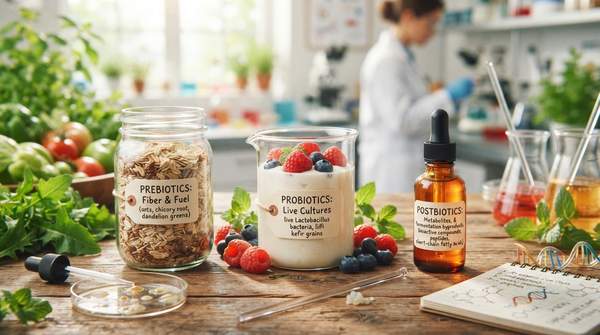
Postbiotics are defined as inanimate microorganisms or their components that confer a health benefit on the host, differentiating them from live probiotics and prebiotic food sources. The ISAPP consensus definition clarifies their distinct role in wellness.

Gastroenterologist-Backed Foods for a Healthier Gut: What to Eat and What to Ease Up On
Support your gut microbiome by incorporating both probiotic foods, which add beneficial bacteria, and prebiotic foods, which feed them. Gastroenterologists recommend a diverse diet rich in these foods while advising caution with fatty, fried, or spicy items.

Inulin, FOS, and GOS: How Their Structures Shape Your Gut Health
Inulin, FOS, and GOS are distinct prebiotics whose chemical structures determine their unique effects on gut bacteria, fermentation speed, and metabolic health. Understanding these molecular differences is crucial for selecting the right prebiotic for specific wellness goals.
Postbiotics: A Distinct Approach to Gut Health Compared to Prebiotics and Probiotics
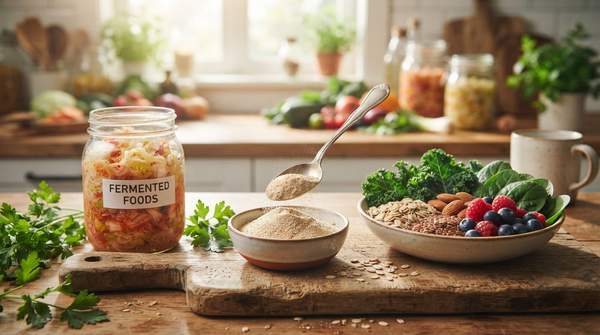
Postbiotics are beneficial compounds derived from microorganisms, offering a distinct approach to gut health by providing inactive microbial components and metabolites. Unlike prebiotics and probiotics, they deliver health benefits without introducing live cultures, focusing on strengthening the gut barrier and reducing inflammation.
Boosting Gut Health and Blood Sugar Control with Resistant Starch
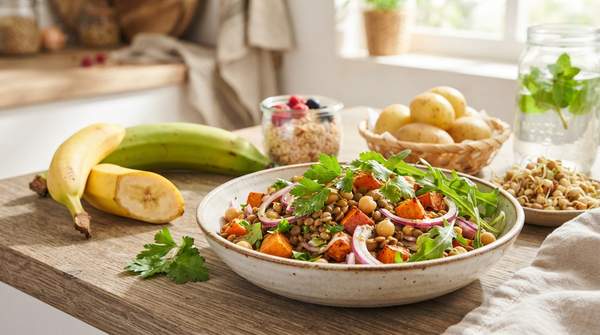
Resistant starch, a carbohydrate that bypasses small intestine digestion, ferments in the large intestine to feed beneficial gut bacteria and produce short-chain fatty acids. Incorporating it can improve gut health and help regulate blood sugar levels.

Top 10 Easy Gut-Healthy Dinner Recipes for Blood Sugar Management
A single dinner rich in prebiotics and probiotics can significantly reduce post-meal blood sugar spikes compared to a standard low-carb meal, often with more satisfying flavors.

Prebiotics vs Probiotics: Which Is Better for Gut Health?
Some advanced gut health supplements, like Ritual Synbiotic+, command nearly $2 per serving.

Prebiotics: Proven Gut Health; Probiotics: Navigating the Evidence
A recent review of 22 randomized controlled trials found that prebiotic supplementation consistently increased beneficial gut bacteria and improved clinical outcomes, offering a clearer path to gut he

Functional Beverages Market Surges Amid Shifting Consumer Tastes
U.S. sales of prebiotic and probiotic drinks more than tripled last year, while sales in the kombucha category rose 8%, according to AP News . This dramatic surge in niche health-focused beverages sig

Functional Beverage Market Soars Amidst Strong Consumer Demand
Last year alone, U.S. sales of prebiotic and probiotic drinks more than tripled, contributing to a category so vast that NielsenIQ counted 53,000 unique products in the functional beverage market. Thi

How Gut Bacteria Influence Digestion, Immunity, and Overall Health
The human gut microbiome, a vast internal ecosystem of microbes, profoundly influences digestion, immunity, and mental health. Understanding and nurturing this complex community is crucial for overall well-being.