This Halloween, one Brooklyn bar expects 40% of its seasonal cocktail sales from its new 'Spirit-Free Spooktacular' menu, a stark jump from last year's 10%. A 40% expectation of seasonal cocktail sales from one Brooklyn bar's new 'Spirit-Free Spooktacular' menu, a stark jump from last year's 10%, signals a rapid evolution in the beverage market, especially for seasonal non-alcoholic Halloween cocktails.
Traditional Halloween often centers on alcohol, yet more consumers actively seek sophisticated non-alcoholic alternatives. Searches for 'Halloween mocktails' soared by 150% last year, according to Google Trends. A NielsenIQ survey found 35% of Gen Z plans to drink less alcohol this Halloween, indicating a cultural shift towards inclusive beverage options, even during alcohol-centric holidays.
This rising consumer demand and bar innovation mean premium non-alcoholic options will likely become standard for seasonal events and general bar offerings. Local bars report a significant uptick in non-alcoholic requests during peak hours, according to the Local Bar Owners Association. The global non-alcoholic beverage market is projected to grow 7.1% annually through 2029, according to Grand View Research, confirming this sustained trend.
The Rise of the 'Booze-Free' Bar Scene
The non-alcoholic market is booming. Sales of non-alcoholic spirits grew 33.2% in 2023, hitting $565 million, according to IWSR Drinks Market Analysis. Sales of non-alcoholic spirits grew 33.2% in 2023, hitting $565 million, according to IWSR Drinks Market Analysis, aligning with a broader trend: over 60% of consumers aged 21-34 aim to reduce alcohol intake, according to a Gallup Poll. The opening of dedicated 'dry bars' in major cities, alongside mainstream liquor brands launching non-alcoholic versions of popular spirits, confirms that what was once a niche is now a significant market force, compelling even traditional players to adapt. The implication is clear: bars that ignore this shift risk alienating a growing segment of their potential customer base.
Halloween's Spirited (But Sober) Transformation
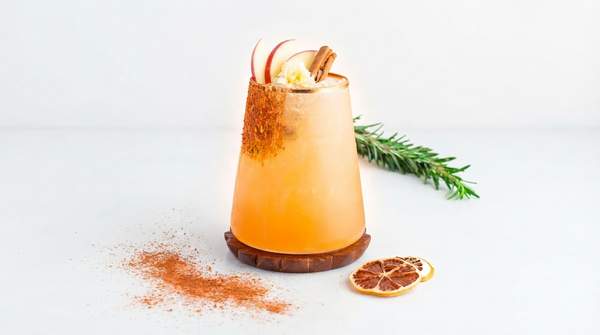
Bars are innovating beyond simple mocktails for Halloween. The Cauldron Bar's 'Haunted Haze', a non-alcoholic smoked apple cider, sold out three nights last week, according to its management. Mixologists now craft sophisticated NA Halloween drinks using complex ingredients like adaptogens, bitters, and artisanal syrups, according to a Bartender's Guild Interview. In Chicago, one bar offers a $25 'trick-or-treat' flight of four mini non-alcoholic cocktails, according to Chicago Eater, attracting a wider demographic. Social media engagement for 'Halloween mocktail recipes' has quadrupled year-over-year, according to TikTok Analytics, proving strong consumer interest. The implication is that seasonal events, once dominated by alcohol, are now fertile ground for non-alcoholic creativity, driving new revenue streams and customer engagement.