Bioavailability
14 articles
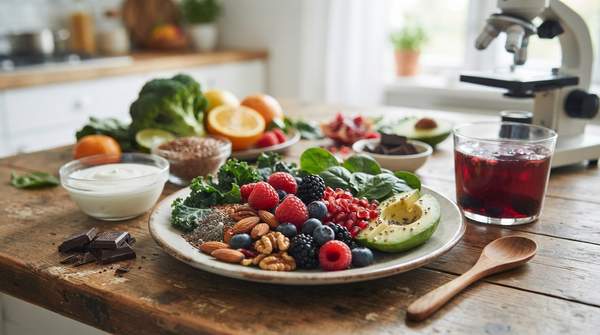
Your Gut Bacteria, Not the Polyphenols Themselves, May Hold the Key to Their Health Benefits
The health benefits of dietary polyphenols are primarily delivered by metabolites produced by gut bacteria, not the original plant compounds. These microbes transform large, poorly absorbed polyphenols into smaller, bioactive molecules that promote health.

Why Science Can't Yet Promise You Health Benefits From Your Spice Rack
Herbs and spices contain bioactive compounds with potential health benefits, but scientific evidence for preventing or treating disease in humans is limited. Understanding the journey from spice to body reveals why definitive health claims are rare and encourages realistic expectations.
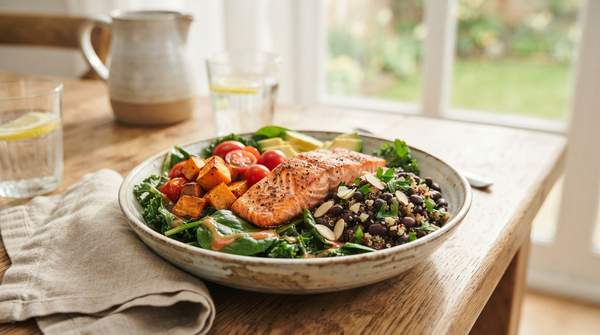
Why Some Nutrients Work Better Together: The Science of Pairing Foods for Absorption
Nutrient synergy describes how combining certain foods can enhance the absorption and effectiveness of vitamins, minerals, and phytonutrients beyond their individual benefits. Understanding key mechanisms like fat-facilitated absorption, chemical conversion, and tissue targeting allows for deliberate food pairings to optimize health.
How to Maximize Nutrient Absorption on a Plant-Based Diet
Learn how to enhance nutrient absorption on a plant-based diet by understanding anti-nutrients and employing effective preparation techniques. Discover strategies for boosting iron, zinc, and fat-soluble vitamin uptake through smart food pairings and cooking methods.
Unlocking Plant-Based Iron and Zinc: A Practical Guide to Absorption
Optimizing iron and zinc absorption from plant-based foods involves understanding bioavailability, inhibitors like phytic acid, and enhancers like vitamin C. Strategic preparation techniques and smart meal pairings can significantly boost your body's ability to utilize these essential minerals.
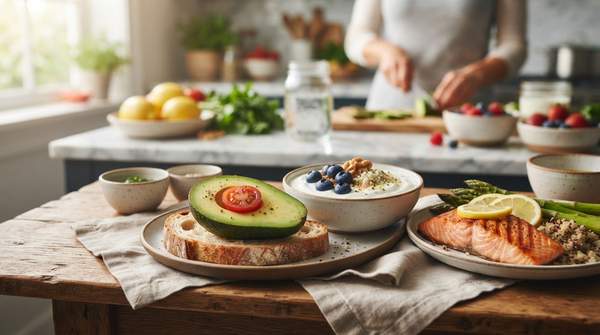
Unlock More Nutrition: A Guide to Smart Food Pairings
Discover nutrient synergy, the principle that combining specific foods enhances the body's absorption and utilization of vitamins and minerals. Learn simple food pairings to naturally boost bioavailability and unlock more health benefits from your diet.

How DIEZ Mushrooms' 10-Mushroom Adaptogenic Tincture Actually Works for Daily Focus
In the pursuit of sustained daily focus, many professionals and health-conscious individuals are seeking alternatives to the spike-and-crash cycle of caffeine. DIEZ Mushrooms offers a sophisticated solution with its 10-i…

What Are Food Pairings For Maximum Nutrient Absorption?
Blending turmeric with a pinch of black pepper dramatically enhances the absorption of its active compound, curcumin.

5 Best Fast-Acting CBD Oils for Pain Relief in 2026
New scientific breakthroughs are creating fast-acting CBD oils designed for rapid absorption and reliable effects to combat the common frustration of slow or ineffective CBD. This article evaluates the top options for 2026, focusing on advanced delivery systems like nanoemulsion, transparency, and real-world results.

What are flavanols and what are their health benefits?
Cocoa flavanols can improve human endothelial function within 1-2 hours, offering rapid cardiovascular benefits comparable to statins in the short term, according to Nature .

Arkos Bioscience NanoCBD Tincture Review: Is 20x More Effectiveness Worth the Price?
Many people find traditional CBD oils ineffective due to low bioavailability, meaning very little of the CBD is actually absorbed by the body. Arkos Bioscience offers a nano CBD tincture that significantly improves absorption and effectiveness through advanced delivery systems.

How Does Food Preparation Affect Nutrient Bioavailability?
Cooking can significantly increase the bioavailability of certain carotenoids, enhancing absorption by up to 71 times.

How Do Cooking Methods Affect Food Nutrition and Bioavailability?
The bioavailability of the vitamin A precursor carotenoids α-carotene and β-carotene in cooked tomatoes increased by an astonishing 26 to 38 times and 46 to 71 times, respectively, compared with those

How Cooking Methods Affect Nutrient Retention and Bioavailability
The vitamin C content in vegetables after cooking can swing wildly from a complete loss of 0.