In the U.S. total alcohol dollar sales plummeted by 3.3% in a recent four-week period ending August 1, compared to the same period a year ago, according to Vinetur. This sharp decline affected nearly every traditional category, signaling a broad consumer shift away from established beverages. However, one segment defied this trend: prepared cocktails.
Amidst this widespread downturn, prepared cocktails were the only alcohol category to show dollar growth, increasing by 0.2%. This growth occurred even as their volume fell by 4.3%, according to Vinetur. Consumers are paying significantly more per unit for ready-to-drink (RTD) cocktails, rather than simply purchasing greater quantities, a complex dynamic in the current market.
Traditional alcohol producers must innovate and embrace the RTD format to remain competitive, or risk further market share erosion to agile, convenience-focused brands. Consistent declines in beer, wine, and spirits sales during this period show the urgency for adaptation. The prepared cocktail segment, often referred to as canned ready-to-drink cocktails, is reviving portions of the booze business.
The RTD Boom: A Market Resurgence
- The pre-mixed or RTD alcoholic drink market was valued at USD 37.2 billion in 2025 and is expected to reach USD 39.1 billion in 2026, according to futuremarketinsights.
- Industry revenue is forecast to reach USD 63.0 billion by 2036 at a 5.0% Compound Annual Growth Rate (CAGR) during the forecast period, according to futuremarketinsights.
- Cans are expected to account for 62.0% share of packaging format demand in 2026, according to futuremarketinsights.
Robust projections show that RTD cocktails are not a fleeting trend but a fundamental shift in consumer preference and market structure. The dominance of cans as a packaging format shows the importance of convenience and portability. With futuremarketinsights projecting the RTD market to reach USD 63.0 billion by 2036, traditional beer, wine, and spirits producers must recognize that the current market decline is not a temporary dip but a fundamental re-alignment towards convenience and diverse RTD offerings, demanding aggressive innovation or risk obsolescence.
Why Consumers Are Choosing Cans
Gen Z consumers are strategically using canned cocktails like Buzzballz for pre-gaming, which contain 15%-20% ABV and cost between $3 and $4.50, offering an affordable way to drink before going out, according to the New York Post. This behavior directly impacts on-premise sales for bars and restaurants. The strategic adoption of high-ABV, affordable RTDs like Buzzballz by Gen Z for pre-gaming, highlighted by the New York Post, reveals that RTDs are not just a new product category but a disruptive force reshaping traditional drinking occasions and threatening on-premise sales of established alcohol types.
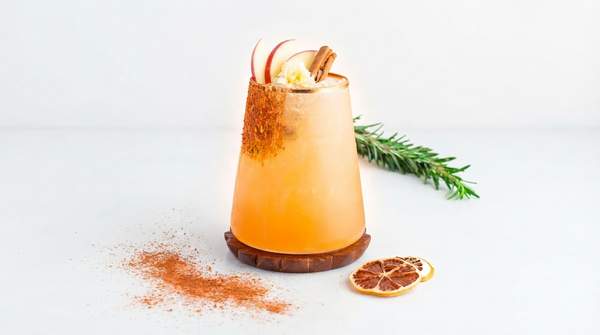
Beyond budget-friendly options, the market also supports premium offerings. Cutwater has been ranked as the No. 2 spirits-based canned cocktail brand in the U.S. following High Noon, according to the New York Post. Meanwhile, Good Peels has launched a premium spiked apple refresher within the RTD category, according to BevNET. This beverage contains 10% real juice, 5% ABV, no bubbles, no added sugar, and 120 calories per 12fl oz serving. The success of both budget-friendly and premium RTD brands shows their adaptability in meeting a wide range of consumer demands and lifestyles.
Traditional Alcohol's Widespread Retreat
In the top 10 state markets, every state reported decreases in both dollar sales and volume for alcohol, according to Vinetur. A uniform decline across major markets shows the pervasive challenges facing traditional alcohol categories. The consistent decline across these regions makes the isolated growth of ready-to-drink cocktails particularly notable. Despite an overall shrinking U.S. alcohol market, the ready-to-drink segment's dollar growth amidst declining volume, as reported by Vinetur, shows a critical shift where consumers are paying more for convenience and perceived value, rather than simply consuming more.
This broad retreat suggests that consumer preferences are undergoing a significant transformation. The traditional appeal of beer, wine, and spirits is waning in favor of more convenient and often higher-ABV alternatives. The market is not simply contracting; it is reallocating consumption patterns towards formats that align with modern consumer lifestyles. This trend poses a direct threat to established producers who fail to adapt their product portfolios and marketing strategies.
Diversification and Adaptation in the Beverage Market
Curry Smugglers, a brand previously known for snacks, has launched two new beers: DESI Lager (4.2% ABV) and Mango Mirchi (alcohol-free), according to BevNET. The expansion of Curry Smugglers beyond its core snack business into both alcoholic and non-alcoholic beverages shows a broader trend of brand diversification. The move by Curry Smugglers suggests a broader trend of brands diversifying their offerings to capture new market segments, even beyond the immediate RTD cocktail boom. The adaptation shows a recognition that consumer demand for varied beverage options is growing across categories.
Such diversification efforts highlight a proactive approach to evolving market dynamics. Brands are seeking to broaden their appeal and capture a wider range of drinking occasions. This strategy helps mitigate risks associated with declining traditional segments and capitalizes on emerging consumer interests in both low-alcohol and alcohol-free options. The beverage market continues to show signs of innovation beyond just the ready-to-drink cocktail segment.
Your Questions About RTDs, Answered
What are the top-selling canned cocktails in 2026?
While specific top-selling brands can fluctuate, High Noon currently leads the spirits-based canned cocktail market in the U.S. Cutwater holds the No. 2 position, which shows strong consumer preference for established players. These brands represent a significant portion of the rapidly expanding RTD market.
How are RTD cocktails impacting the spirits industry?
RTD cocktails are significantly impacting the spirits industry by acting as a new entry point for consumers and displacing traditional consumption patterns. Gen Z, for example, uses high-ABV, affordable RTDs like Buzzballz for pre-gaming, directly reducing on-premise sales of more expensive spirits. This shift challenges traditional spirits brands to adapt or lose market share.
What are the latest trends in canned alcoholic beverages?
The latest trends in canned alcoholic beverages include a focus on both affordability for segments like Gen Z and premium, health-conscious options. Brands are developing products with no added sugar, lower calorie counts, and real juice content, such as the Good Peels spiked apple refresher. This segmentation caters to diverse consumer preferences, from budget-conscious to quality-seeking drinkers.