At 84%, more legal-age Gen Z drinkers report consuming cocktails than any other generation, directly challenging the widespread assumption that they are a largely sober cohort. A significant shift in beverage choices and consumption experiences among young adults in 2026 is evident from this preference.
Many observers believe Gen Z is largely abstaining from alcohol, but data shows their legal-age drinking rates are stable and their consumption patterns are simply evolving rather than disappearing. This tension between perception and reality creates a complex picture for the alcohol industry.
The beverage alcohol industry must adapt to Gen Z's preference for curated, often home-based drinking experiences, rather than relying on traditional nightlife models that appeal to older demographics.
Gen Z legal drinking age (LDA+) consumers across fifteen key markets maintain a stable drinking rate of 74%, consistently engaging with alcohol once they reach adulthood. While Gen Z currently accounts for 17% of the total drinking population, their participation rate is not in decline, directly contradicting popular belief. A nuanced understanding of their evolving habits, moving beyond simplistic narratives of abstinence, is demanded by this consistent engagement.
The Myth of the 'Sober Curious' Generation
The share of adults under age 35 who report ever drinking dropped ten percentage points in two decades, falling to 62% in 2021-2023 from 72% in 2001-2003, according to Time. This long-term decline, evident since 2000 across various consumption metrics, has fueled the perception of Gen Z as largely abstaining. However, these figures often conflate underage trends with the habits of legal-age consumers, obscuring a more complex reality.
Beyond the Headlines: Nuance in Gen Z's Drinking Habits
The gap in drinking frequency between Gen Z and other demographics has almost completely disappeared, according to the Knoxville News Sentinel. This means legal-age Gen Z drinkers consume alcohol with a frequency comparable to older generations.
Alcohol use in the past year also exceeded marijuana use among adults aged 18 to 25, with 68.1% consuming alcohol. This directly challenges the notion of a teetotaling Gen Z, confirming alcohol's continued prevalence over other substances for this age group.
The Rise of Curated Consumption and At-Home Socializing
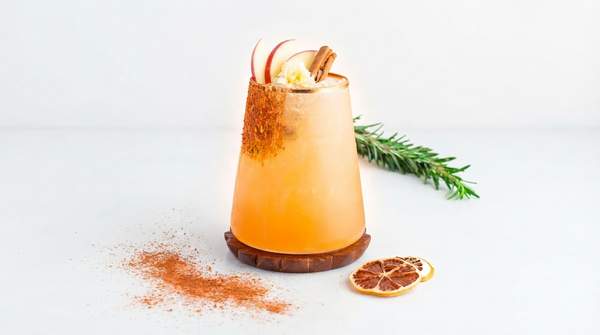
More Gen Z LDA+ drinkers reported consuming cocktails in the past six months than any other generation, reaching 84%, according to Inc. A clear shift towards curated, premium experiences, moving away from traditional beer or wine, is signaled by this preference for cocktails.
The amount of time people spent with friends in-person decreased dramatically from 30 hours a month in 2003 to 10 hours a month in 2020. Gen Z's drinking is less about traditional nightlife and more about specific beverage choices and social contexts, often favoring at-home or smaller, curated gatherings over large, public social events, a trend indicated by this decline coupled with the cocktail preference.
Implications for Industry and Future Trends
The persistent narrative of declining youth drinking is directly contradicted by the stable 74% participation rate among legal-age Gen Z. This discredits the 'sober generation' label for adult consumers, compelling marketers to re-evaluate their strategies and acknowledge this cohort's consistent engagement.
With in-person social time plummeting, the alcohol industry faces a future where consumption is increasingly privatized. Companies slow to adapt to at-home cocktail culture and curated experiences risk alienating a generation that values personal, intimate settings for their drinking occasions.
To thrive, the beverage alcohol industry must pivot to meet these evolving preferences. Brands focusing on ready-to-drink cocktails and at-home consumption solutions, such as curated cocktail kits or virtual tasting experiences, are positioned to capture this influential demographic. By Q4 2026, companies like Diageo, with its extensive portfolio of spirits, will likely intensify their focus on premium, convenient cocktail options to align with Gen Z's distinct purchasing habits.