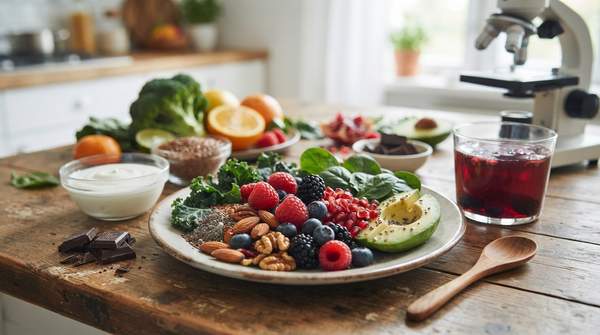
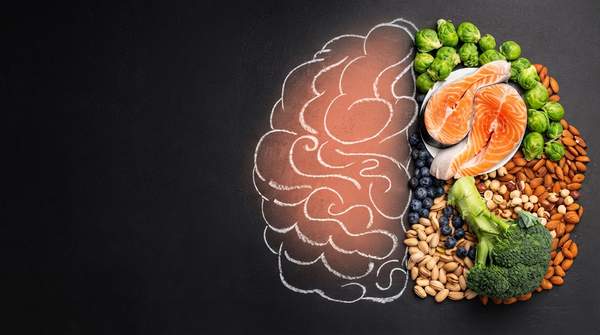
Women who consumed the highest levels of dietary antioxidants had about 56 percent lower odds of having a history of cervical cancer compared with those who consumed the least, according to The Eastleigh Voice. A 56 percent lower odds of cervical cancer underscores the potent influence nutritional strategies can exert on disease prevention, a finding consistently reported by Medicalnewstoday.
While cervical cancer is primarily understood through viral infection and genetic predispositions, a new study reveals a strong, inverse relationship with dietary antioxidant intake. This challenges the exclusive focus on viral prevention methods. A study published in August 2026 in the International Journal of Gynecology & Obstetrics examined this relationship among women in the United States, as reported by Newsweek.
Therefore, dietary interventions rich in antioxidants could become a significant, accessible component of cervical cancer prevention strategies, complementing existing medical approaches. The striking 56% reduction in cervical cancer odds for women with high antioxidant intake suggests a powerful, yet often overlooked, dietary defense capable of reshaping public health strategies beyond traditional viral prevention.
How the Study Uncovered the Link
Researchers analyzed health and nutrition data from 1,044 women in the US National Health and Nutrition Examination Survey. This robust, nationally representative dataset allowed for a detailed examination of dietary patterns across a diverse population, lending strong generalizability to its findings.
- Of the 1,044 women surveyed, 174 reported having a history of cervical cancer. The remaining 870 women without the disease were included as matched controls, according to The Eastleigh Voice.
Quantifying the Protective Effect
Each 1-unit increase in the Composite Dietary Antioxidant Index (CDAI) was associated with an 11.4% lower prevalence of cervical cancer, as reported by Endocrinologyadvisor. Each 1-unit increase in the Composite Dietary Antioxidant Index (CDAI) provides a clear quantitative link between antioxidant intake and disease risk, confirming the protective effect of higher antioxidant consumption.
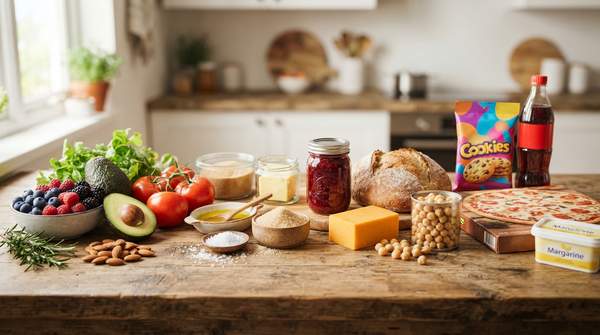
Participants in the highest CDAI tertile showed a significantly lower prevalence of cervical cancer compared to those in the lowest. The dose-response relationship, where participants in the highest CDAI tertile showed a significantly lower prevalence of cervical cancer compared to those in the lowest, confirms that even incremental dietary improvements can yield measurable benefits. With each 1-unit increase in CDAI tied to an 11.4% lower prevalence of cervical cancer, dietary interventions offer an accessible and cost-effective front-line strategy, challenging the sole focus on pharmaceutical or surgical approaches.
Beyond HPV: The Role of Specific Nutrients
The study specifically examined the relationship between dietary antioxidant intake and cervical cancer, focusing on key nutrients such as vitamins A, C, and E, along with minerals like zinc and selenium, and various carotenoids, according to The Eastleigh Voice. This comprehensive approach acknowledges that a spectrum of compounds contributes to the body's antioxidant defense, not just a single nutrient.
A lower proportion of HPV-positive women were observed among those with higher Composite Dietary Antioxidant Index (CDAI), according to pmc. A lower proportion of HPV-positive women observed among those with higher Composite Dietary Antioxidant Index (CDAI) suggests antioxidants may modulate the body's response to HPV itself, influencing viral persistence or susceptibility, rather than merely mitigating general cancer progression. The mechanism by which antioxidants may modulate the body's response to HPV itself would represent a novel angle for cervical cancer prevention, moving beyond direct viral eradication.
Implications for Prevention and Future Research
The findings reveal that women with the highest antioxidant intake had about 56% lower odds of having a history of cervical cancer compared with those with the lowest intake. The 56% lower odds of cervical cancer for women with the highest antioxidant intake highlights the profound potential for dietary changes in public health strategies. Nutritional guidance emerges as a critical, complementary preventive measure, as noted by medicalnewstoday.com.
While promising, these findings necessitate further research to establish causality and develop specific dietary recommendations. Randomized controlled trials are essential to confirm these associations and provide clearer guidelines, moving towards actionable public health interventions.
Common Questions About Antioxidants and Cervical Health
What foods are high in antioxidants for cancer prevention?
Foods rich in antioxidants include a variety of fruits and vegetables. Berries like blueberries and raspberries, dark leafy greens such as spinach and kale, and brightly colored vegetables like carrots and bell peppers are excellent sources. Nuts, seeds, and whole grains also contribute significant amounts of these protective compounds to the diet.
How do antioxidants fight cancer cells?
Antioxidants work by neutralizing free radicals, which are unstable molecules that can damage cells and DNA, leading to oxidative stress. This damage can contribute to cancer development. By reducing oxidative stress, antioxidants help protect cells from damage and may inhibit the growth of abnormal cells.
Can vitamins reduce the risk of cervical cancer?
The study associated reduced cervical cancer risk with dietary intake of vitamins A, C, and E, alongside zinc, selenium, and carotenoids. These nutrients, when consumed as part of a balanced diet, contribute to the body's overall antioxidant defense system. The research emphasizes the importance of a comprehensive dietary pattern for prevention, rather than isolated supplement use.