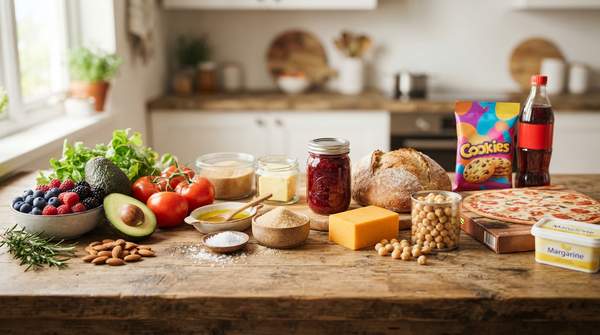
NOVA, the food classification system developed by Brazilian researchers in 2009, sorts everything you eat into four groups based on the nature, extent, and purpose of the processing it has undergone: unprocessed or minimally processed foods, processed culinary ingredients, processed foods, and ultra-processed foods. The distinction that matters most for health is the last one. Studies using NOVA, including the large French NutriNet-Santé cohort and three major U.S. prospective cohorts, have linked high intakes of ultra-processed foods to cardiovascular disease, type 2 diabetes, and weight gain—though these are observed associations, not proven causes.
Understanding the NOVA Food Classification System
NOVA was created to cut through confusion about the loosely used term "processed food," as UC Davis food writers explain. Rather than judging a food by its nutrients alone, the system asks what was done to it and why. A paper by the system's architects, published in a public-health journal, describes NOVA as "the food classification based on the nature, extent and purpose of food processing that places foodstuffs in four groups, one of which is specified as ultra-processed food and drink products."
The framework has been adopted widely in nutrition research. The U.S. National Cancer Institute uses NOVA to classify foods in dietary assessment tools and national survey data, and a World Health Organization report cited by the NOVA authors applied it to compare diets across the USA, Canada, Brazil, and Colombia. Harvard's Nutrition Source notes that the system is recognized by the World Health Organization, the Food and Agriculture Organization, and the Pan American Health Organization—though not currently by the U.S. Food and Drug Administration or USDA.
NOVA Group 1: Unprocessed or Minimally Processed Foods
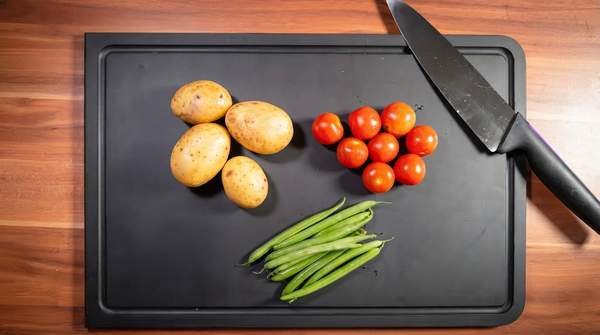
Group 1 covers the natural edible parts of plants and animals, altered only in ways that do not add ingredients: washing, drying, freezing, grinding, or vacuum-packing. Think fresh vegetables and fruit, whole grains, meat, and even pasta, which UC Davis lists here because it is made from a single basic food without additives. The key test is that nothing meaningful has been added—no salt, sugar, or fat beyond what the food itself contains.
Minimal processing exists mostly to preserve foods or make them ready to eat, not to change their fundamental character. Frozen vegetables, pasteurized milk, and dried legumes all remain Group 1 because the processing serves storage and safety rather than reformulation. This is why NOVA's logic can surprise people: a frozen pea is closer to the garden than a "natural-sounding" packaged snack.