Ryan Patel
Editorial byline
Ryan Patel is an editorial byline for Flavor and Wellness, with a focus on Nutrition, Supplements, Diet Trends. Biographical credentials and external profiles are published only after verification.
Learn more about our editorial process and use of automation in our AI & Automation disclosure.
Coverage Areas
Latest Articles
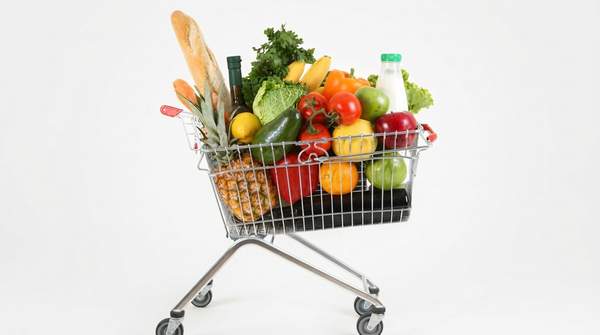
Functional Foods, Decoded: How to Pick Them for Your Health Goals
Functional foods provide health benefits beyond basic nutrition, but understanding their types, navigating marketing claims, and matching them to specific health goals is crucial for making informed dietary choices.
Nov 5, 2026 · 5 min read
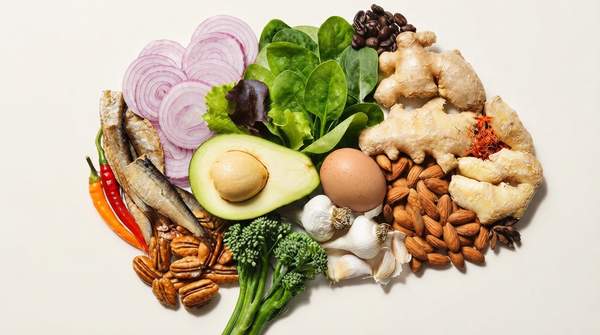
How Your Gut Talks to Your Brain: Three Pathways That Shape Mood and Cognition
The gut and brain communicate bidirectionally through three primary pathways: neural, immune, and endocrine/metabolic. The gut microbiome is a crucial participant in these routes, significantly influencing mood and cognitive function.
Oct 30, 2026 · 6 min read

The Enteric Nervous System: How Your Gut Acts as a Second Brain and a Communication Hub
The enteric nervous system (ENS) is a complex neural network in the digestive tract, often called the "second brain" for its independent control over digestion. It also serves as a crucial communication line, constantly interacting with the central nervous system in the gut-brain axis.
Oct 28, 2026 · 5 min read
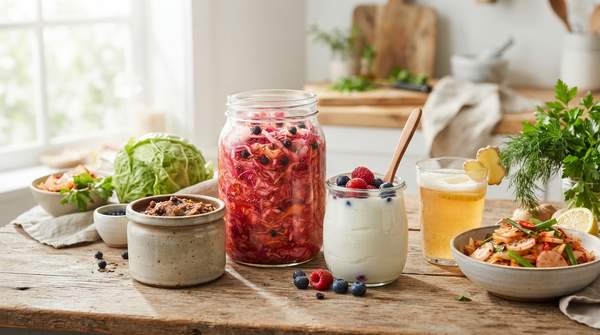
Fermented Foods and Your Gut: What the Evidence Actually Shows
A 2021 Stanford trial found fermented foods can boost gut microbiome diversity and reduce inflammation, but not all "fermented" products deliver live microbes. Understanding the difference between live cultures and fermentation byproducts is key to choosing foods that truly support gut health.
Oct 28, 2026 · 5 min read
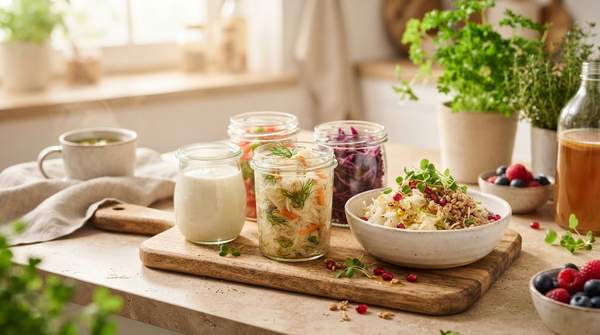
Postbiotics Explained: The Non-Living Compounds Your Gut Bacteria Make for You
Postbiotics are beneficial, non-living compounds produced by gut bacteria when they digest food, offering health benefits without the risks associated with live probiotics. They represent the end-products of microbial activity, contributing to gut health, immune modulation, and reduced inflammation, making them a promising option, particularly for vulnerable populations.
Oct 27, 2026 · 5 min read
FOS and GOS Are Not Interchangeable: How Two Major Prebiotics Differ in the Gut and the Immune System
Fructo-oligosaccharides (FOS) and galacto-oligosaccharides (GOS) are distinct prebiotics with different impacts on gut health and immune responses, meaning they are not interchangeable. Understanding these differences allows for targeted choices based on specific health goals.
Oct 26, 2026 · 5 min read
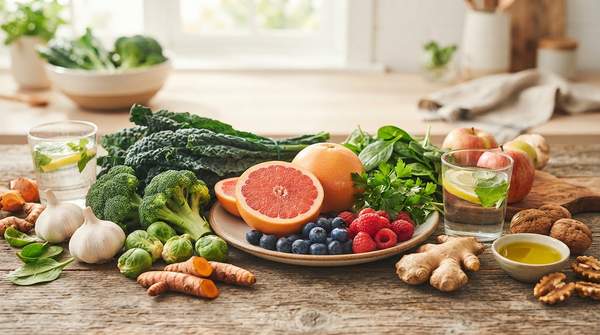
How Your Liver Detoxifies — and the Foods That Actually Support It
Your body's liver continuously detoxifies harmful substances through a two-phase process, supported by specific nutrients found in whole foods like berries, broccoli, and quality protein, rather than fad diets.
Oct 25, 2026 · 5 min read
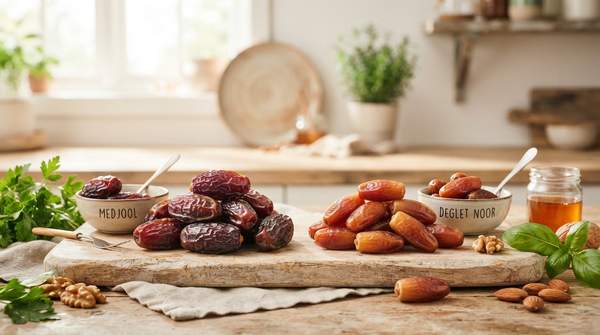
Medjool vs. Deglet Noor Dates: Which Variety Fits Your Health Goals?
Medjool and Deglet Noor dates offer distinct nutritional profiles, with Deglet Noor slightly higher in fiber and Medjool richer in certain minerals like potassium and copper. Choosing between them depends on your specific health goals, such as digestive support or energy needs.
Oct 24, 2026 · 4 min read
Clean Eating Is a Flexible Principle, Not a Diet—Here's How to Use It Without the Harm
"Clean eating" is best understood as a flexible principle prioritizing whole, minimally processed foods, not a rigid diet. While focusing on nutrient-dense options offers benefits, extreme interpretations can lead to harmful restrictive behaviors and anxiety.
Oct 23, 2026 · 5 min read
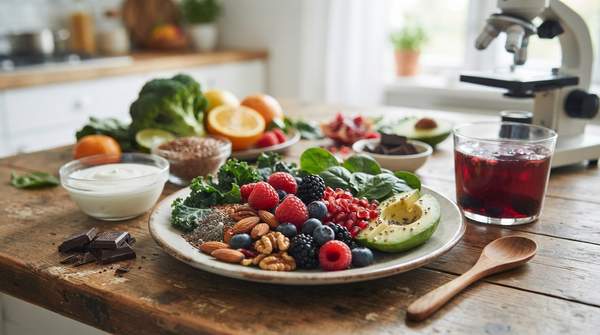
Your Gut Bacteria, Not the Polyphenols Themselves, May Hold the Key to Their Health Benefits
The health benefits of dietary polyphenols are primarily delivered by metabolites produced by gut bacteria, not the original plant compounds. These microbes transform large, poorly absorbed polyphenols into smaller, bioactive molecules that promote health.
Oct 22, 2026 · 6 min read
What to Eat on a GLP-1: A Symptom-by-Symptom Food Decision Framework
GLP-1 medications suppress appetite, making food choices crucial for managing side effects like nausea and constipation while ensuring adequate protein and nutrients. This guide offers a framework for selecting foods that support muscle preservation and overall health on GLP-1 therapy.
Oct 21, 2026 · 5 min read
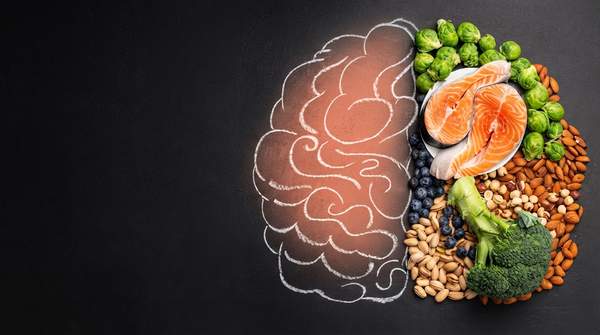
From Fiber to Mind: How Gut Bacteria Turn Your Diet Into Short-Chain Fatty Acids That Shape Brain Health
Dietary fiber is fermented by gut bacteria into short-chain fatty acids (SCFAs) like butyrate, propionate, and acetate, which act as crucial signaling molecules in the microbiota-gut-brain axis. These SCFAs influence brain health, mood, and cognition through various communication pathways.
Oct 21, 2026 · 6 min read
How to Maximize Iron, Zinc, and Calcium Absorption on a Plant-Based Diet
Plant-based eaters can significantly enhance iron, zinc, and calcium absorption by optimizing food preparation and pairing. Strategies include using vitamin C to boost iron uptake, employing techniques like soaking and fermentation for zinc and calcium, and ensuring adequate vitamin D.
Oct 20, 2026 · 6 min read

Why Science Can't Yet Promise You Health Benefits From Your Spice Rack
Herbs and spices contain bioactive compounds with potential health benefits, but scientific evidence for preventing or treating disease in humans is limited. Understanding the journey from spice to body reveals why definitive health claims are rare and encourages realistic expectations.
Oct 19, 2026 · 5 min read
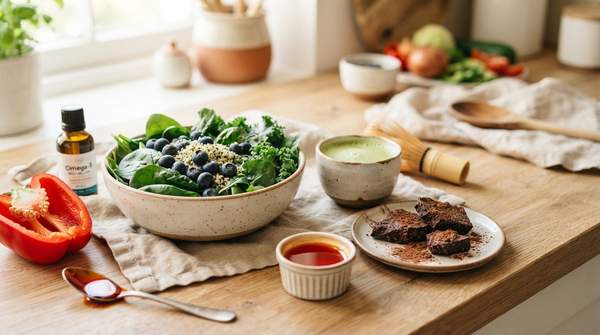
Four Evidence-Backed Foods That Support Skin Health—and the Compounds That Make Them Work
Discover four evidence-backed foods—astaxanthin, green tea, dark leafy greens, and dark chocolate—and the specific compounds that support skin health through antioxidant and anti-inflammatory actions. Learn how these foods protect against UV damage, improve hydration, and reduce signs of aging.
Oct 18, 2026 · 4 min read
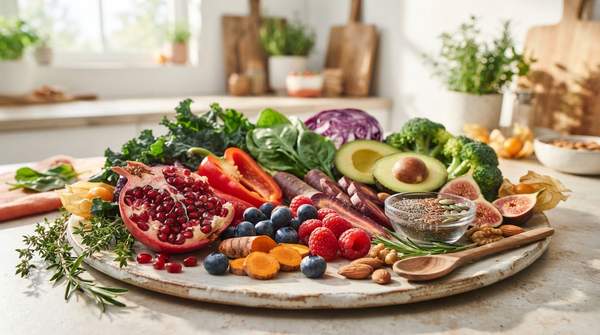
Bioactive Compounds in Superfoods: The Science Behind Eating the Rainbow
Bioactive compounds are plant chemicals that offer health benefits beyond basic nutrition, acting through mechanisms like antioxidant and anti-inflammatory pathways. Eating a diverse range of colorful plant-based foods ensures intake of these compounds, supporting overall health.
Oct 18, 2026 · 4 min read
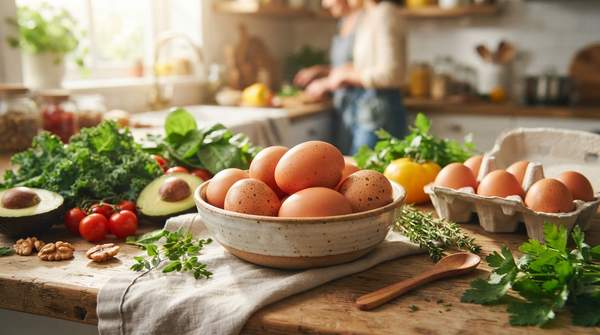
How Many Eggs Per Week? A Health-Profile Guide to Safe Intake
For most healthy adults, 7 to 14 eggs per week fit within a balanced diet, but individuals with high LDL cholesterol, heart conditions, or type 2 diabetes should limit intake to seven eggs or fewer per week.
Oct 17, 2026 · 4 min read

How to Choose a Plant-Based Protein Powder: A Complete Amino Acid Decision Guide
Choosing the right plant-based protein powder involves understanding essential amino acid profiles, as single sources often lack completeness. This guide helps you select a blend or single-source powder based on your goals, amino acid needs, and dietary restrictions.
Oct 16, 2026 · 4 min read
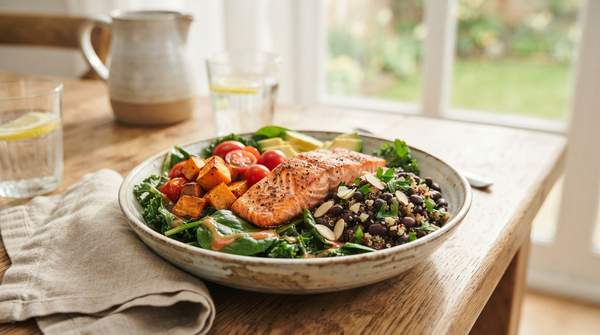
Why Some Nutrients Work Better Together: The Science of Pairing Foods for Absorption
Nutrient synergy describes how combining certain foods can enhance the absorption and effectiveness of vitamins, minerals, and phytonutrients beyond their individual benefits. Understanding key mechanisms like fat-facilitated absorption, chemical conversion, and tissue targeting allows for deliberate food pairings to optimize health.
Oct 16, 2026 · 5 min read
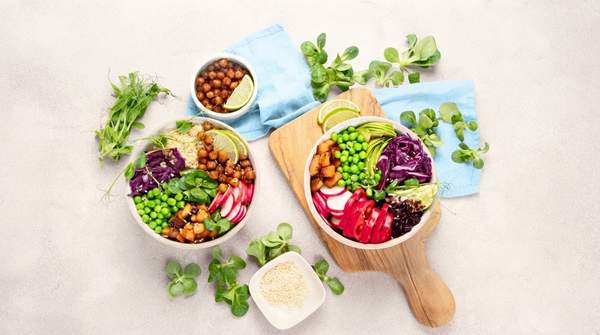
Soaking, Boiling, Sprouting, Fermenting: Which Method Reduces Which Anti-Nutrient?
Learn how common kitchen techniques like soaking, boiling, sprouting, and fermentation effectively reduce specific anti-nutrients in plant-based foods. Understanding which method targets which compound can significantly improve mineral absorption for vegans and those at risk of deficiencies.
Oct 14, 2026 · 4 min read