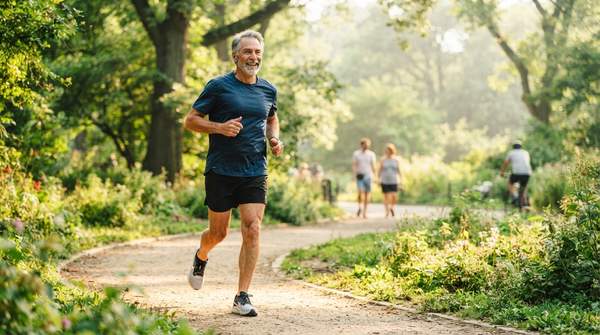
In 11 Latin American countries, older adults at risk of dementia improved their memory and thinking skills after participating in culturally adapted lifestyle programs. The LatAm-FINGERS study, funded by the Alzheimer's Association, tracked participants for two years, revealing significant cognitive performance gains. A tailored approach offers a promising path to enhance memory and brain health for aging adults.
The common belief is that memory and thinking skills inevitably decline with age, but new research demonstrates that targeted lifestyle interventions can significantly improve cognitive performance. The LatAm-FINGERS study directly challenges this fatalistic view, showing reversal is possible.
Based on the success of culturally adapted lifestyle programs, it appears likely that accessible, community-based interventions will become a cornerstone of global brain health strategies, empowering individuals to actively manage their cognitive well-being.
Reframing Brain Aging: From Decline to Change
Cognitive change, rather than cognitive decline, offers a more accurate perspective on brain aging, particularly in midlife, according to The Guardian. A shift in understanding, paired with the proven power of interventions like exercise and anti-inflammatory diets, empowers individuals. It moves us from passively accepting cognitive decline to actively shaping our brain health through prevention and even reversal.
Targeting Brain Health: Scaffolding and Lifestyle
Protecting the prefrontal cortex involves encouraging 'scaffolding' and reducing interference from factors like rumination, depression, and alcohol consumption, as reported by The Guardian. Key lifestyle choices, such as regular exercise and an anti-inflammatory diet rich in vegetables, fermented foods, and berries, while low in red meat, actively support this brain scaffolding. A holistic strategy, addressing multiple aspects of well-being, appears crucial for the significant cognitive improvements observed in studies like LatAm-FINGERS, suggesting that a single intervention is rarely enough.

Local Opportunities for Cognitive Engagement
Locally, opportunities for cognitive engagement are emerging. For instance, adults aged 50 and older can attend a memory class, as reported by Jacksonville Journal-Courier. However, when compared to the two-year, culturally adapted lifestyle program detailed in the LatAm-FINGERS study across 11 countries by ScienceDaily, a significant gap appears. A disconnect between the proven efficacy of comprehensive interventions and the more generic, limited offerings often available to the public, potentially hindering widespread impact.
Expanding Access: Where to Find Support
The Jacksonville Public Library hosts such a class, highlighting a growing trend. Public institutions like libraries are becoming vital hubs for community-based brain health education and support, offering accessible spaces for learning and connection.
Guidance for Your Brain Health Journey
What are the best brain exercises for seniors in 2026?
To boost brain health, focus on activities that challenge your prefrontal cortex. This could mean learning a new skill, engaging in complex problem-solving, or even creative pursuits. Additionally, managing stress and minimizing rumination and depression are crucial for overall cognitive well-being, as highlighted by The Guardian.
How can older adults boost their memory naturally?
Natural memory boosting often comes from consistent lifestyle changes. Regular physical exercise and embracing an anti-inflammatory diet are key. Think plenty of vegetables, fermented foods, and berries, while moderating red meat intake, as advised by The Guardian.
Who leads community brain health programs?
Community brain health programs are typically led by experts in education and wellness. For example, the memory class in Jacksonville is guided by University of Illinois Extension educator Karina Moore, as reported by Jacksonville Journal-Courier. These leaders bring valuable knowledge to local initiatives.
If these comprehensive, culturally adapted interventions become widely available, a future where cognitive well-being is actively managed and enhanced, rather than passively accepted, appears increasingly within reach for older adults globally.