In the UK, over half of all purchased dietary energy, a staggering 50.4%, comes from ultra-processed foods. This sharply contrasts with Portugal, where these foods account for a mere 10.2%, according to pmc research. This vast difference reveals profound national food environment disparities, impacting your daily choices for healthier eating.
While public health guidelines consistently emphasize whole, unprocessed foods, ultra-processed foods constitute a significant and growing portion of household diets across Europe. This creates a tension between what we know is beneficial and the pervasive availability of less healthy options.
The pervasive availability of ultra-processed foods directly contributes to a silent public health crisis of obesity and related diseases, making individual dietary choices increasingly challenging but critical for your well-being.
The Hidden Ubiquity of Ultra-Processed Foods
Across nineteen European countries, ultra-processed foods make up a median of 26.4% of total purchased dietary energy, as reported by household availability of ultra-processed foods and obesity in a study published in pmc.ncbi.nlm.nih.gov. This widespread presence means these foods are deeply integrated into modern diets, often masking their cumulative health impact.
The stark contrast between countries like Portugal (10.2%) and the UK (50.4%) reveals that national food policies and cultural norms, not just individual choices, are the primary battleground for public health, as evidenced by the 'pmc' study. This suggests your food environment plays a significant role in your dietary patterns, beyond just knowing what to eat.
A Foundational Step: Prioritizing Whole Foods
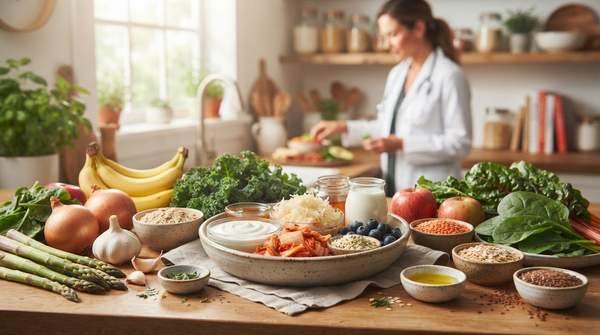
The World Health Organization recommends everyone over 10 years old consume at least 400 grams of fruits and vegetables daily, according to Who Int. Prioritizing these whole, nutrient-rich foods is a foundational step against ultra-processed intake. Despite this clear guidance, the widespread availability of ultra-processed foods (median 26.4% of dietary energy in European households) shows that public health campaigns alone cannot combat the structural forces driving unhealthy diets. Integrating more whole foods directly shifts your dietary balance, providing essential nutrients and fiber.

The Direct Link Between UPFs and Obesity
Research published in pmc.ncbi.nlm.nih.gov found a significant positive association between national household availability of ultra-processed foods and the national prevalence of obesity among adults. The pervasive presence of ultra-processed foods is not merely a dietary trend but a direct, measurable contributor to rising obesity rates and associated public health challenges.
Companies pushing ultra-processed foods are not just selling convenience; they actively contribute to a systemic health crisis. Each percentage point increase in household UPF availability correlates with a 0.25 percentage point rise in obesity prevalence, according to 'pmc' research. This direct link demands mindfulness about the foods you bring into your home.
Why Healthier Choices Are Non-Negotiable
Unhealthy diets are a major risk factor for disease and disability, according to Who Int. Reducing ultra-processed food intake is a crucial preventative measure for long-term health. While the broader food environment poses challenges, your consistent choice for less processed, more natural foods actively protects your health and reduces susceptibility to diet-related illnesses.
Understanding the Impact: A Closer Look at the Numbers
What are the worst ultra-processed foods to avoid?
Many ultra-processed foods, often high in added sugars, unhealthy fats, and artificial ingredients, contribute significantly to poor health outcomes. Common examples include sugary drinks, packaged snacks like chips and cookies, processed meats, and ready-to-eat meals, which often lack essential nutrients and fiber.
How can I replace ultra-processed foods with healthier options?
You can replace ultra-processed foods by focusing on whole, single-ingredient options. For instance, swap sugary cereals for oatmeal with fruit, choose plain yogurt over flavored varieties, and opt for homemade meals using fresh vegetables, lean proteins, and whole grains instead of pre-packaged dinners. The Cdc provides additional healthy eating tips.
What are the health benefits of reducing ultra-processed foods?
Reducing ultra-processed foods offers numerous health benefits, including improved weight management, better cardiovascular health, and a lower risk of chronic diseases like type 2 diabetes. The measurable impact is clear: each percentage point increase in household ultra-processed food availability correlates with a 0.25 percentage point rise in obesity prevalence.
If current trends continue, nations with high reliance on ultra-processed foods, like the UK's 50.4%, will likely face escalating public health challenges by 2026, unless a collective shift towards whole foods gains significant momentum.