The most innovative zero-proof cocktails of 2026 are not defined by what they lack, but by three distinct currents running through the beverage market: functional ingredients that promise a specific effect, nostalgic flavors reimagined for modern palates, and bold global pairings that trade generic "exotic" cues for authentic, layered taste. That is the picture emerging from trend reporting by the flavor company One on One Flavors, whose 2026 beverage outlook maps how these currents land specifically in the alcohol-free cocktail space.
The Rise of Sophisticated Zero-Proof Cocktails in 2026
Zero-proof spirits and functional mocktails now sit alongside low-ABV cocktails as popular formats in the alcohol-free and sober-curious category. The driving force, according to One on One Flavors' trend analysis, is younger consumers who are drinking less alcohol but still want the ritual. That framing matters: it explains why the category has matured so quickly from sweet juice mocktails into botanical blends and zero-proof spirits designed to be built like a real cocktail.
The flavor opportunities the company identifies for this space—mojito, piña colada, and botanical citrus—signal the shift. These are not diet soda flavors. They are cocktail archetypes, translated into alcohol-free builds that can hold their own on a bar menu.
Trend 1: Functional Benefits and Adaptogenic Blends
The functional beverage trend is the engine behind much of the innovation. Consumers want specific, measurable benefits rather than vague wellness claims, One on One Flavors reports, and that demand is reshaping what goes into the glass. In the zero-proof cocktail space, that means functional mocktails with adaptogens—drinks built around ingredients intended to support calm, focus, or relaxation.
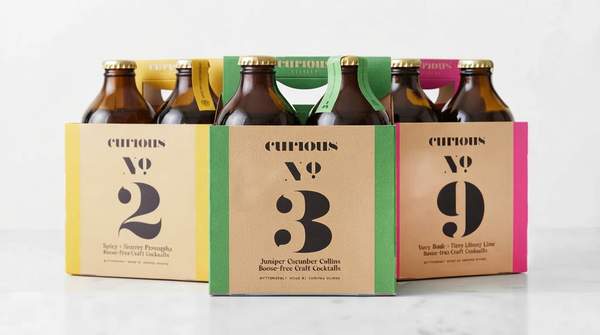
The commercial landscape backs this up. Innerbody's guide to adaptogen drinks describes beverages containing botanicals, mushrooms, and probiotics that may offer benefits like better mood, focus, or gut health, noting that much of their popularity comes from Gen Z adults choosing them over alcohol. Retail examples are concrete: Sprouts Farmers Market promotes BRĒZ Feel-Good Tonics, crafted with functional mushrooms and adaptogens and positioned as a coffee alternative, alcohol replacement, or nightcap. The Good Trade's editor-tested roundup likewise highlights nootropic and focus drinks with botanicals or adaptogens that can replace social drinking while keeping mental clarity, alongside ready-to-pour blends like Curious Elixirs, described as sophisticated combinations of herbs, botanicals, and adaptogens.
One caveat belongs here: this article reports on trends and market positioning, and does not verify the health claims attached to functional ingredients.