Neutonic, a company founded in 2023, rapidly became the top-selling energy drink on Amazon, demonstrating consumers' immediate embrace of functional beverages for quick wellness boosts. Products promising instant energy or mood enhancement quickly dominate the market, even from new entrants, revealing a significant shift in priorities and signaling a clear preference for immediate gratification over slower-acting health solutions.
Consumers flock to functional beverages for immediate benefits like energy and mood enhancement. However, the industry's explosive growth outpaces clear regulatory guidelines and comprehensive consumer understanding of product efficacy and safety, creating a complex environment where market innovation outruns robust oversight, leaving consumers to navigate a landscape of often vague health claims.
Therefore, the functional beverage market will continue its explosive growth fueled by demand for quick fixes. Consumers, however, will increasingly need to navigate a landscape of vague claims and potential health ambiguities without robust regulatory protection.
The U.S. functional beverage market is projected to reach $67 billion to $70 billion in 2026, growing at a compound annual growth rate (CAGR) of 7-9%, according to Sourceready. This domestic surge mirrors global trends, with the market hitting $280.96 billion in 2025 and projected to reach $682.05 billion by 2035, at a worldwide CAGR of 9.4%. The market's rapid expansion confirms a profound consumer shift towards beverages promising immediate health and wellness benefits, driving swift adoption of new products. The market's trajectory suggests that functional beverages are not just a trend but a foundational shift in how consumers approach daily well-being, demanding instant, drinkable solutions.
The Rise of Instant Wellness: What Consumers Crave
The market's success stories confirm a distinct consumer preference for drinks offering tangible, immediate benefits like energy, gut health, or protein boosts. This demand pushes innovation, but also raises questions about sustained efficacy versus perceived quick fixes.
Energy Drinks (low- to no-sugar options)
Best for: Individuals seeking immediate boosts in energy and mental alertness without excessive sugar.
These beverages, sought by customers of all ages, boost energy levels and enhance mental alertness, often featuring low- to no-sugar options. Consumers clearly prioritize immediate energy and mental clarity. The implication is that traditional coffee and sugary sodas are losing ground to more "purpose-driven" energy solutions.
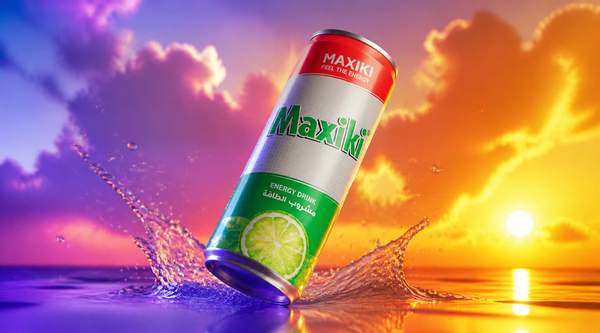
Strengths: Immediate energy boost, mental clarity. Neutonic, an energy drink, became the top-selling energy drink on Amazon in 2023 BeverageDaily.
Limitations: Potential for overconsumption; efficacy can vary by individual. | Price: Varies by brand and retailer.
Mood and Mental Wellness Beverages (e.g. with adaptogenic/mushroom essences)
Best for: Those looking to combat stress, improve focus, and enhance overall mental well-being.
These drinks, infused with adaptogenic and mushroom essences (e.g. Lion’s Mane), help combat stress, boost energy, and improve focus. Consumers prioritize improved mood and mental clarity. Their growing popularity suggests a societal need for accessible, non-pharmaceutical stress and focus support.
Strengths: Improved mood, mental clarity, stress reduction.
Limitations: Efficacy can vary among individuals; scientific backing is still developing. | Price: Typically higher price point due to specialized ingredients.
Probiotic Drinks
Best for: Consumers aiming to improve digestion, boost the immune system, and support gut health.
These were the most consumed regular drinks by female employees in a 2022 study, with 31.2% in maintenance stages of consumption, according to PMC. They improve the immune system, mood, and digestion PMC. The consistent demand for probiotics highlights a growing understanding of the gut-brain axis and its role in overall health.
Strengths: Enhanced digestion, immune system support, potential mood improvement.
Limitations: Benefits are often long-term and cumulative; refrigerated storage often required. | Price: Varies significantly by brand and probiotic strain.
Starbucks Protein + Prebiotic Fiber Coffee
Best for: Coffee drinkers seeking added nutritional benefits like protein and fiber for satiety and gut health.
This Starbucks offering contains 22g of protein and 5g of prebiotic fiber CNBC, signaling a blending of daily rituals with functional benefits, transforming a morning habit into a nutritional opportunity.
Strengths: Combines caffeine with protein for sustained energy and satiety; supports gut health.
Limitations: Limited flavor options; availability may vary by location. | Price: Premium pricing compared to regular coffee.
Kombucha
Best for: Individuals interested in fermented beverages for digestive health and overall wellness.
Kombucha is a fermented, gut-friendly beverage that improves the immune system, mood, and digestion. Its mainstream acceptance shows consumers are increasingly comfortable with fermented foods as a pathway to wellness, moving beyond traditional supplements.
Strengths: Supports gut health, immune system, and may improve mood.
Limitations: Acquired taste for some; sugar content can vary widely between brands. | Price: Moderate to high, depending on brand and ingredients.
CBD-infused drinks
Best for: Those seeking relaxation and stress relief without the intoxicating effects of alcohol.
These drinks offer a non-alcoholic way to relax, provide stress and anxiety relief, and support general wellness without intoxication, pointing to a broader cultural shift towards non-alcoholic alternatives for unwinding and managing daily stressors.
Strengths: Relaxation, stress and anxiety relief.
Limitations: Regulatory landscape is complex and varies by region; efficacy can differ individually. | Price: Generally higher due to specialized ingredients.
Functional Juices
Best for: Consumers exploring nutrient-dense options, though adoption rates are currently lower.
Functional juices were in the pre-contemplation stage of use by female employees in a 2022 study, according to PMC, with their slower adoption suggesting a consumer preference for more novel or immediate-effect functional ingredients over traditional juice formats, even with added benefits.
Strengths: Can deliver specific vitamins and antioxidants; perceived as natural.
Limitations: Lower immediate consumer adoption compared to other functional drinks; often high in natural sugars. | Price: Varies widely based on ingredients and brand.