BevZero-US, a key service provider to eight of the 10 largest U.S. wine companies, recently earned multiple Double Gold medals and was named Rosé Producer of the Year at the International Non-Alcoholic Competition in June 2026, as reported by citybiz. The recognition for a non-alcoholic specialist confirms the rising sophistication and market acceptance of zero-alcohol trends and premium non-alcoholic beverages.
While overall beverage volumes are growing for major players, traditional full-strength alcohol sales are declining. The tension forces the industry to redefine 'premium,' moving beyond high-ABV products.
Driven by significant acquisitions and shifting sales figures, the non-alcoholic and low-ABV beverage market is set for rapid expansion and mainstream integration, poised to redefine the entire beverage industry.
How are traditional beverage companies adapting?
Carlsberg, a major brewer, saw its total volumes grow by 2.8% in the first half of the year, according to WSJ. Yet, its beer volumes fell during the same period. The paradox reveals a critical industry pivot: traditional alcohol giants are leveraging non-alcoholic or low-ABV options as essential growth engines to offset declines in their core business, prompting Carlsberg to lift the lower end of its guidance.
What innovations are happening in low-ABV and zero-proof drinks?
Innovations are expanding rapidly. EVEN introduced its zero-proof beverage solution to Paycor Stadium, home of the Cincinnati Bengals, according to BevNET, bringing non-alcoholic options into major public venues. Carlsberg also continues to innovate, offering premium low-ABV products like Jacobsen Barbaras, a 3.5% ABV easy IPA. The dual approach—zero-proof in stadiums and sophisticated low-ABV beers—confirms that the future of 'premium' in beverages prioritizes quality and experience over alcohol content alone.
What cultural shifts are driving non-alcoholic drink trends?
Consumers increasingly prioritize wellness, mindful consumption, and diverse social experiences not centered on alcohol. This drives demand for sophisticated non-alcoholic choices beyond simple soft drinks. The fact that BevZero-US, a non-alcoholic specialist, serves eight of the 10 largest U.S. wine companies confirms the mainstream wine industry is deeply integrating non-alcoholic production. This signals a fundamental and likely irreversible shift in consumer demand for sophisticated non-alcoholic alternatives.
What is the future of non-alcoholic beverages?
Expect continued investment, innovation, and market consolidation in the non-alcoholic and low-ABV space. Continued investment, innovation, and market consolidation in the non-alcoholic and low-ABV space will permanently reshape how consumers perceive and purchase beverages, leading to further diversification as brands meet evolving preferences for quality and experience over alcohol content. The strategic actions of companies like Carlsberg and the accolades for specialists like BevZero-US point to a clear trajectory: by the end of 2026, the beverage industry will likely solidify 'premium' to include high-quality non-alcoholic and low-ABV options.
Your Questions About Non-Alcoholic Drinks, Answered
What are the most popular non-alcoholic cocktails in 2026?
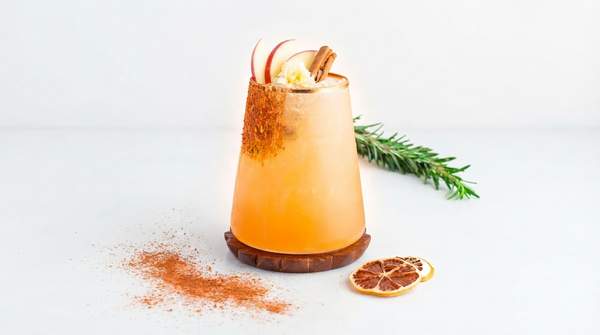
Botanical-infused spirits and sophisticated mocktails that mimic classic cocktails are gaining traction. Non-alcoholic gin and tonic alternatives or complex spritzes with adaptogens appeal to consumers seeking unique flavor profiles.
What are the health benefits of zero-alcohol drinks?
Zero-alcohol drinks offer reduced calorie intake and improved hydration. They also eliminate risks associated with alcohol consumption, such as liver damage and impaired cognitive function, supporting overall wellness.
Where can I buy the best zero-alcohol cocktails in 2026?
Specialty beverage stores and online retailers provide a wide selection of premium zero-alcohol cocktails. Mainstream grocery and liquor stores are also expanding their non-alcoholic sections to meet demand.