At a time when many states still debate temporary measures, California has passed legislation extending the ability for venues to sell cocktails to-go until 2029, solidifying a critical revenue stream for its hospitality sector, according to the New York Post. What began as a temporary lifeline during a crisis has now been extended for years, indicating a fundamental shift in regulatory approach. Therefore, other states currently operating under temporary to-go cocktail laws will likely follow California's lead, pushing for permanent or long-term extensions as consumer demand and industry adaptation prove successful.
What the Extended Law Entails
California extended its to-go cocktail policy until 2029, according to The Spirits Business. This decision followed temporary allowances from the pandemic. Initial reports created confusion, with the extension through 2029. The discrepancy between initial reports and the extension through 2029 highlights the need for clear communication from lawmakers, particularly as businesses plan long-term operations.
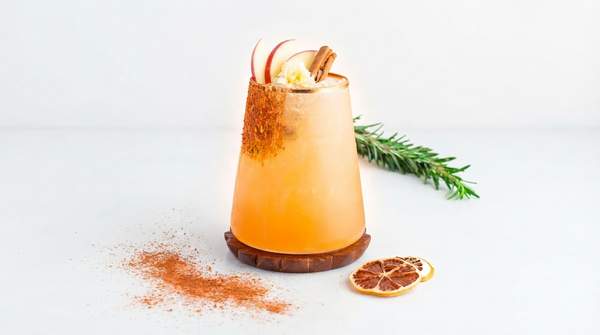
The policy includes specific requirements for responsible distribution. Alcoholic beverages must be sold for pick-up or delivery alongside meals prepared at the licensed premises or by a partnered meal provider, as detailed by nossaman. The linkage of alcoholic beverages to meals ensures to-go cocktails remain an ancillary service to food sales, directly supporting restaurants and bars.
Packaging also follows strict rules to prevent immediate consumption and ensure public safety. Beverages not in a manufacturer’s container require a secure lid or cap. The container must prevent consumption without removal, ensuring responsible transport and deterring open-container violations. The strict rules for packaging and preventing immediate consumption demonstrate a controlled adaptation, balancing industry support with public safety. The careful framework of packaging and distribution rules provides a blueprint for other states considering similar long-term policies, showcasing how to integrate convenience without compromising control.
A National Shift in Alcohol Sales
California's extension of to-go cocktails until 2029, reported by The Spirits Business and New York Post, pressures other states with temporary measures, like New Jersey and New York. They must now either follow suit or risk their hospitality sectors losing a proven revenue stream. Consumer expectations for convenience continue to grow, making this decision a critical benchmark.
Since the pandemic, an unspecified number of states and the District of Columbia have made cocktails to-go permanent, according to The Spirits Business. California's choice of a specific end date in 2029, rather than full permanence, signals a cautious, yet long-term, regulatory experiment. California's choice of a specific end date allows for future re-evaluation, distinguishing it from states that fully deregulated their alcohol sales. It also suggests California aims to gather robust data before committing to an irreversible change, potentially influencing national best practices.
The long-term extension in California suggests a strategic integration of this revenue stream into the hospitality business model. The long-term extension in California reflects a belief in a lasting shift in consumer demand and industry structure, moving beyond a simple crisis response. The state now views to-go cocktails as a permanent component of modern restaurant operations, rather than a temporary fix.
Why the Policy Was Extended
The significant 55% rise in alcoholic beverage sales in late March compared to 2019, according to keck, coupled with California's long-term extension, proves to-go cocktails are not just a lifeline but a powerful, sustained growth driver the hospitality industry cannot afford to lose. This surge in sales during the pandemic's early stages provided immediate economic relief to struggling establishments.
Restaurants and bars faced severe revenue losses during public health restrictions. To-go cocktail sales offered a crucial alternative for generating income, helping businesses maintain operations and retain staff. The policy proved its value as an economic stabilizer, allowing establishments to pivot their service models and adapt to rapidly changing consumer behaviors, securing their future viability beyond the crisis.
The detailed requirements for packaging and meal accompaniment, outlined by nossaman, reveal that regulatory flexibility is not a free pass, but a calculated adaptation to consumer demand. This marks a new era where convenience is balanced with control. The detailed requirements for packaging and meal accompaniment allow for innovation while mitigating potential risks, ensuring responsible growth within the industry and setting a standard for consumer protection.
What This Means for the Future
California's decision sets a significant precedent for other states. Jurisdictions like New Jersey and New York, still under temporary measures, will likely face pressure to adopt similar long-term extensions. The proven success and sustained demand in California demonstrate a viable path for integrating to-go cocktails into standard business practices, influencing broader national policy discussions. This could accelerate a nationwide shift, standardizing a revenue stream once considered radical.
The hospitality industry in California can now plan with greater certainty. A five-year extension allows for strategic investments in specialized packaging, efficient delivery infrastructure, and targeted marketing campaigns. A five-year extension encourages innovation within the sector, enabling businesses to confidently evolve their service models and meet consumer expectations, potentially creating new market segments.
The five-year extension also allows California to gather more comprehensive data on the policy's effects. It can evaluate economic benefits, public safety implications, and shifts in consumer behavior over an extended period. The collection of comprehensive data will inform future decisions regarding full permanence or further adjustments, carefully balancing industry needs with societal considerations. The data collected will be crucial for shaping not just California's future alcohol laws, but potentially serving as a national case study.
If California's measured approach continues to yield positive economic results without significant public safety concerns, it will likely solidify to-go cocktails as a permanent fixture in the state's hospitality landscape, further influencing national alcohol policy.