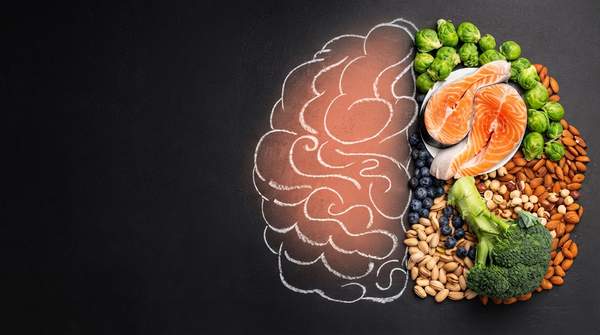
In a groundbreaking clinical trial, a restricted-calorie total diet replacement led to diabetes remission in 46% of patients with type 2 diabetes at 12 months, significantly outperforming current best-practice care, which achieved only 4% remission, according to Nature. Food-based interventions have proven clinical efficacy in reversing and managing chronic diseases, but they are not yet a standard, widely adopted part of healthcare. Therefore, as evidence continues to mount, food as medicine programs are poised to become an indispensable, cost-effective component of future healthcare strategies, potentially shifting the paradigm from treatment to prevention and remission.
Medically-tailored meals, for instance, reduced low-density lipoprotein (LDL) cholesterol, often termed "bad" cholesterol, by 5–10%, according to ScienceDirect. These programs also lowered systolic blood pressure (SBP) by 4-11 mmHg. Significant reductions in LDL cholesterol (5–10%) and SBP (4-11 mmHg) demonstrate the direct physiological impact of targeted nutrition.
A systematic review identified 14 randomized controlled trials of Food Is Medicine (FIM) interventions in the United States, according to AHA Journals. These trials confirm that precise dietary interventions deliver measurable health improvements, directly challenging the sole reliance on traditional medical treatments.
Food as Medicine (FaM) programs integrate food-based interventions directly into medical care plans, specifically targeting chronic conditions like type 2 diabetes and hypertension. This approach recognizes nutrition's profound impact, utilizing specific foods or dietary patterns as therapeutic tools to prevent, manage, and even reverse disease. Rather than general healthy eating, FaM focuses on targeted nutritional strategies—like reducing inflammation, stabilizing blood sugar, or lowering cholesterol—to support physiological healing.
The Clinical Power of Food as Medicine
The Dietary Approaches to Stop Hypertension (DASH) diet, emphasizing fruits, vegetables, whole grains, and low-fat dairy while limiting salt, saturated fats, and alcohol, significantly reduced blood pressure, according to Nature. Similarly, the Mediterranean diet, supplemented with extra virgin olive oil or mixed nuts, reduced major cardiovascular events in high-risk adults. These established dietary patterns prove food's efficacy as a powerful non-pharmacological tool for chronic disease management.
Targeted nutritional support, like medically-tailored meals, also yields strong outcomes. Such meals led to a 30% reduction in metabolic syndrome prevalence and a 56% lower chronic kidney disease (CKD) mortality rate, according to ScienceDirect. The 30% reduction in metabolic syndrome prevalence and 56% lower chronic kidney disease (CKD) mortality rate from medically-tailored meals confirms the disease-specific therapeutic power of tailored dietary patterns, positioning food as a potent tool for prevention and reversal.
Nature, for example, states that "Dietary interventions can be effective at treating or delaying some diseases, but further trials are needed for wider adoption," despite strong existing evidence. This statement appears to set an unfairly high evidentiary bar for non-pharmaceutical solutions, even as a systematic review identified 14 randomized controlled trials of FIM interventions, according to AHA Journals.
This persistent demand for 'further trials,' despite compelling data like the DiRECT trial's demonstration of type 2 diabetes remission, reveals a systemic bias against non-pharmaceutical interventions. The healthcare system often prioritizes incremental drug improvements over transformative dietary solutions, hindering a paradigm shift where food, not drugs, could become the primary 'cure' for millions.
Integrating Food into Future Healthcare
Food as Medicine services include medically tailored meals, healthy food packages, nutritious food referrals or vouchers, prescriptions for groceries or produce, and culinary medicine programs, according to Grants NIH. This variety allows for flexible implementation across different clinical and community settings.
Patient adherence to these dietary interventions often exceeds expectations, challenging perceptions about sustained dietary change. Studies of medically-tailored meals consistently report "compliant" adherence rates of at least 90%, according to ScienceDirect. The consistently reported "compliant" adherence rates of at least 90% for medically-tailored meals confirms that structured, supported FIM programs effectively overcome common barriers, proving their practical viability.
What are the top 10 foods for disease prevention?
While a definitive "top 10" list can vary, foods rich in antioxidants and fiber are consistently beneficial for disease prevention. Berries, leafy greens like spinach and kale, and cruciferous vegetables such as broccoli are often highlighted for their protective compounds. Legumes, nuts, and whole grains also contribute significantly to reducing chronic disease risk.
How can diet prevent chronic diseases?
Diet prevents chronic diseases by modulating inflammation, improving metabolic markers, and supporting cellular health. Consuming a balanced diet rich in whole, unprocessed foods helps maintain healthy blood pressure, cholesterol levels, and blood sugar regulation. This dietary approach reduces the risk factors associated with conditions like heart disease, type 2 diabetes, and certain cancers.
What is the role of food in maintaining good health?
Food plays a fundamental role in maintaining good health by providing essential nutrients, energy, and bioactive compounds. A nutritious diet supports immune function, promotes gut health, and aids in cellular repair and regeneration. It directly influences physical and mental well-being, contributing to longevity and a reduced reliance on pharmaceutical interventions for common ailments.
The compelling evidence, from the DiRECT trial's diabetes remission to significant reductions in LDL, SBP, metabolic syndrome, and CKD mortality via medically-tailored meals, positions food as a powerful, underutilized healthcare tool. While a systemic bias against non-pharmaceutical solutions persists, reflected in the continued demand for 'further trials,' this cannot indefinitely overshadow proven outcomes and high patient adherence. By 2026, increasing pressure on healthcare systems for sustainable, cost-effective chronic disease management will likely compel a more widespread adoption of Food as Medicine, challenging the traditional reactive model.