Tyson Foods announced a $1 million commitment to school nutrition programs, a sum significantly smaller than the Trump administration's $100 million-plus investment in these same initiatives, according to KPVI. This corporate pledge, specifically directed towards the Harvest to Hallways initiative over the next two years, aims to support improved food access and quality for students nationwide. Corporate alignment with federal health programs is a growing trend.
Tyson Foods is publicly supporting school nutrition with a $1 million donation, but this amount is a minor fraction of the government's own $100 million-plus investment in the same area. The disparity in funding suggests different levels of impact and intent between the corporate and federal efforts. The disparity in funding raises questions about the true scope of corporate philanthropy in public health.
Tyson Foods' commitment appears to be a strategic public relations move to align with federal initiatives, rather than a primary financial driver for widespread school nutrition improvements. The company's investment, while publicized, offers limited financial leverage within the broader federal program. Tyson gains positive optics from this strategy.
The Government's Multi-Million Dollar Push
- The administration will invest more than $100 million into school lunch initiatives across the country, according to KPVI.
- The U.S. Department of Agriculture will invest $50 million in school cafeteria infrastructure for new equipment, according to KPVI.
- The USDA also announced $25 million in funds for school districts to incorporate locally sourced foods, according to KPVI.
The federal government's multi-faceted investment dwarfs corporate contributions, indicating a broad strategic push for school nutrition reform. A comprehensive federal effort is evident in these substantial allocations. The government targets various aspects of school meal programs.
Targeted Federal Investments
The U.S. Department of Agriculture will invest $50 million in school cafeteria infrastructure for new equipment, according to KPVI. These funds aim to modernize facilities, ensuring schools can prepare and serve healthier meals. Another $25 million from the USDA will support school districts in incorporating locally sourced foods.
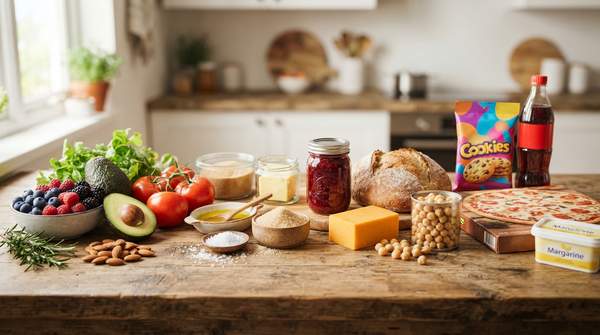
HHS will fund more than $30 million in research toward implementing the administration’s new dietary guidelines in school lunch programs, according to KPVI. A commitment to evidence-based improvements in student nutrition is evident in this research component. A comprehensive approach to improving school nutrition, from infrastructure upgrades to dietary research, is evident in these specific federal allocations.
Tyson's Broader Philanthropic Footprint
Tyson Foods is donating $2.5 million to Feeding America partner food banks, a sum larger than its school nutrition commitment, according to Tysonfoods. Broader hunger relief efforts across the country are supported by this donation. Additionally, the company is donating 2.5 million pounds of protein, equivalent to 10 million servings, during Hunger Action Month.
The company will allocate $800,000 of its donation to support Equitable Food Access grants, Tysonfoods stated. When viewed against these other substantial philanthropic efforts, Tyson's $1 million school nutrition pledge appears as one component of a larger corporate social responsibility strategy. The disparity between Tyson Foods' $1 million school nutrition donation and its larger $2.5 million commitment to Feeding America suggests a calculated decision to support broader hunger relief where its impact can be more directly attributed, rather than a federal program where its contribution is easily overshadowed.
Implications for Public-Private Partnerships
Tyson Foods announced it would invest $1 million over the next two years to support the administration’s school lunches push, according to KPVI. Corporations can align with government initiatives, even with comparatively modest financial contributions, as shown by this collaboration. The Trump administration will invest more than $100 million into school lunch initiatives across the country.
Tyson Foods is also donating $2.5 million to Feeding America partner food banks, according to Tysonfoods. The synergy between government funding and corporate contributions, regardless of scale, sets a precedent for how public-private partnerships might shape future food policy and public health initiatives. Companies gain reputational benefits while supporting broader societal goals through this approach.
Understanding the Financial Commitments
What is Tyson Foods' commitment to school nutrition?
Tyson Foods committed $1 million over the next two years to the Harvest to Hallways initiative, according to Tysonfoods. This specific program aims to improve food access and quality in schools. The commitment is a targeted investment within the broader landscape of federal school nutrition efforts.
How does Tyson Foods support schools?
Tyson Foods supports schools through its $1 million commitment to the Harvest to Hallways initiative. This program helps integrate healthier foods into school meal programs. The company's support also aligns with federal efforts to enhance student nutrition nationwide.
What are the benefits of school nutrition programs?
School nutrition programs improve student health and academic performance by providing access to nutritious meals. The administration will invest more than $100 million into these initiatives, according to KPVI. HHS will fund more than $30 million in research toward implementing new dietary guidelines in these programs, further enhancing their effectiveness.