The temporary permission for New Jersey's bars to sell a perfectly mixed Old Fashioned for takeout has officially become permanent, thanks to Governor Mikie Sherrill's signature. This legislative action, codified as S-4384, allows bars, restaurants, and craft distilleries across the state to continue offering alcoholic beverages for off-premises consumption. It represents a significant adaptation for the state's hospitality sector, integrating new revenue channels and providing long-term operational certainty for businesses that previously relied on temporary measures.
Initially introduced as a temporary measure to help businesses survive economic challenges, the ability for New Jersey restaurants and bars to sell cocktails to-go has now transitioned into a permanent fixture of the state's alcohol sales regulations. This shift moves beyond crisis response, establishing a long-term operational change for businesses in New Jersey seeking permanent cocktails to go legislation impact. The move solidifies a new era for how consumers access prepared drinks and how establishments structure their sales strategies.
New Jersey's hospitality sector is poised for a lasting shift in business models, potentially leading to increased revenue streams and greater consumer convenience, as establishments embrace off-premise sales as a core competitive strategy. Bipartisan legislation (S-4384) allowing certain bars, restaurants, and craft distilleries to sell cocktails and other alcoholic beverages for off-premises consumption has been signed into law in New Jersey, according to NJ Senate Democrats. Governor Mikie Sherrill signed a law making cocktails to-go permanent, according to CBS News. This marks a significant legislative victory for the hospitality industry, transforming a temporary lifeline into a permanent business opportunity for many New Jersey establishments.
What the New Law Permits in New Jersey?
- Businesses holding retail consumption licenses can now sell mixed alcoholic beverages in closed, sealed containers for off-premises consumption, according to newjerseyglobe. This provision moves beyond simple bottled alcohol sales, allowing for the retail of prepared, branded cocktails. This offers a higher value proposition and unique branding opportunities for establishments, encouraging creativity in their beverage programs.
- Restaurants, bars, and other eligible businesses are permitted to sell and deliver alcoholic beverages for off-premises consumption, according to Bergen Record. This explicit inclusion of delivery for off-premises consumption solidifies a new distribution channel. It transforms how consumers access prepared drinks and requires businesses to integrate sophisticated logistics, potentially favoring those with existing delivery infrastructure.
- The legislation extends beyond just bars and restaurants, broadening its scope to include craft distilleries, according to NJ Senate Democrats. This inclusion allows a wider range of local producers to leverage off-premises sales, potentially fostering new market dynamics for these businesses. Craft distilleries can now reach consumers directly, bypassing traditional retail channels and building stronger brand loyalty.
- The law specifically permits 'mixed alcoholic beverages' in 'closed, sealed containers', indicating a move beyond simple bottled sales. This means establishments are now compelled to invest in branding and packaging for their signature cocktails, transforming a pandemic-era survival tactic into a sophisticated competitive advantage, according to newjerseyglobe. This requirement elevates the presentation and marketability of to-go offerings.
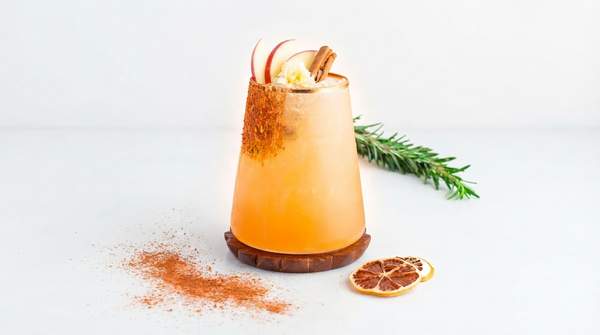
The law's broad scope ensures that a wide array of businesses can leverage these new sales channels, from traditional bars to local craft distilleries. This comprehensive approach supports diverse business models within the hospitality sector, promoting innovation and economic resilience. The shift signals a new era for New Jersey's beverage industry, prioritizing convenience and expanded consumer access.
A Permanent Shift for Hospitality
Governor Mikie Sherrill's signature on Senate Bill 4384 makes the rules for off-premises alcohol sales permanent, solidifying a critical adaptation for New Jersey's hospitality businesses. This move grants long-term stability and planning certainty to establishments that previously operated under temporary rules, according to nj. Businesses no longer need to plan for the expiration of these sales permissions, allowing for strategic investments in their off-premise operations for 2026 and beyond.
New Jersey restaurants and bars are now permanently allowed to sell alcoholic drinks for to-go and delivery orders, according to FOX 29 Philadelphia. This change means that off-premise sales are now an integrated part of their operational strategies, rather than a temporary revenue stream. The permanence encourages significant investment in new infrastructure, improved packaging, and targeted marketing for these services, fostering a more competitive market.
New Jersey's bipartisan embrace of permanent cocktails-to-go, as highlighted by NJ Senate Democrats, signals a legislative recognition. This recognition suggests that the hospitality industry's future relies on diversified revenue streams and off-premise innovation, not just traditional dine-in models. The consensus on economic policy benefiting a struggling sector indicates strong political will to support the industry's long-term recovery and adaptation beyond the pandemic, marking a rare bipartisan agreement on such a measure.
This legislative decision transforms the hospitality business model, compelling establishments to view off-premise sales as a core, competitive strategy. It is no longer merely a temporary lifeline but a fundamental aspect of their market presence. Businesses must now strategically incorporate these sales into their long-term growth plans, impacting staffing, inventory, and marketing efforts.
From Temporary Lifeline to Lasting Policy
Governor Mikie Sherrill signed legislation making temporary permissions for to-go cocktails permanent in New Jersey, according to PhillyVoice. This decision transforms a crisis-driven measure into a lasting policy, fundamentally redefining the state's approach to alcohol sales. It reflects a growing understanding of consumer demand for convenience and expanded access to prepared beverages, extending beyond the conditions that initially prompted the temporary allowances.
New Jersey restaurants and bars are now permitted to continue selling alcoholic beverage orders for to-go and delivery, according to NJ.com. This continuity provides a stable framework for businesses that adapted during challenging times, enabling them to refine and expand their off-premise operations. The transition from temporary relief to permanent policy reflects a recognition of the value and consumer demand for off-premises alcohol sales beyond crisis conditions, affirming its place in the market.
The legislative move suggests a fundamental shift in regulatory philosophy. What began as a pragmatic response to a public health crisis has now been broadly embraced by bipartisan legislation, suggesting a fundamental shift in regulatory philosophy rather than just a pragmatic response. This bipartisan support for S-4384 indicates a rare consensus on economic policy benefiting a struggling sector, underscoring a commitment to the hospitality industry's long-term recovery and adaptation.
This permanent change means that the state's alcohol sales regulations now formally integrate a model that prioritizes flexibility and consumer access. It represents a significant policy evolution, demonstrating how temporary solutions can become permanent fixtures when they prove beneficial to both businesses and the public. This adaptability in regulation will likely encourage further innovation within the state's hospitality sector.
Implications for Craft Distilleries
Craft distilleries gain enhanced flexibility to serve customers both on and off-site, according to NJ Senate Democrats. This includes the ability to sell certain mixed drinks for both on- and off-premises consumption. Such permissions could significantly expand their market reach and product offerings, fostering direct consumer engagement and allowing them to compete more effectively with larger beverage companies.
Craft distilleries are also permitted to sell and deliver their products for off-premises consumption under select conditions, according to Bergen Record. This creates a new, direct-to-consumer distribution channel for local producers, allowing them to bypass traditional retail bottlenecks. The ability to deliver directly to consumers strengthens their competitive position in the craft beverage market and supports local economies by boosting small businesses.
By explicitly allowing craft distilleries to sell and deliver mixed drinks for off-premises consumption, as noted by Bergen Record, New Jersey is not merely supporting existing bars. The state is actively fostering a new, direct-to-consumer market for local producers, fundamentally reshaping the state's craft beverage landscape. This policy promotes innovation in product development and delivery, potentially leading to a more diverse and vibrant local beverage scene.
This expanded scope for craft distilleries is a key aspect of the new legislation's impact. It provides these specialized businesses with tools to grow their brand presence and revenue streams, moving them beyond tasting rooms and into broader markets.oader consumer markets. The measure encourages distilleries to develop unique, packaged mixed drinks, further enhancing New Jersey's reputation as a hub for craft beverages.
Common Questions on Off-Premises Sales
What are the new rules for cocktails to go in New Jersey in 2026?
The new rules in 2026 permit eligible businesses, including restaurants, bars, and craft distilleries, to sell and deliver mixed alcoholic beverages. These beverages must be in closed, sealed containers for off-premises consumption, according to Insider NJ. This covers a broader range of prepared drinks than just simple bottled alcohol, emphasizing consumer convenience and allowing for creative, branded offerings.
How will permanent cocktails to go affect New Jersey restaurants in 2026?
Permanent cocktails to go will compel New Jersey restaurants to integrate off-premise sales as a core, competitive strategy, not just a temporary measure. Establishments must invest in branding and packaging for their signature cocktails, transforming a pandemic-era survival tactic into a sophisticated competitive advantage, according to newjerseyglobe. This fosters diversified revenue streams and requires businesses to adapt their operational logistics, including developing robust delivery platforms and marketing unique to-go options. By Q3 2026, many New Jersey restaurants will likely have fully integrated new packaging and delivery services, aiming to capture a larger share of the off-premise beverage market.