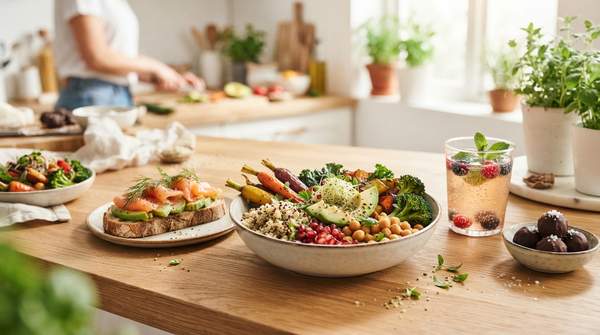
The food and beverage forecasts for 2027 point to one dominant shift: consumers are moving from avoiding "bad" ingredients to actively seeking what a product adds — protein, fiber and functional benefits tied to specific goals like energy, metabolic health and healthy aging. That consensus emerges across independent reports from Innova Market Insights, the distributor KeHE, the Specialty Food Association, taste giant Kerry and Yelp's search data. But the same forecasts also document a countercurrent of unabashed indulgence, from viral bakeries to dessert-inspired lattes. Understanding both currents — and how they coexist — is what turns a trend list into a useful guide for your grocery cart.
Introduction: Navigating the 2027 Food Landscape
Each autumn, industry analysts publish their forecasts for the coming year, and the 2027 crop arrived in October and November 2026 from several directions at once. Innova Market Insights, a Netherlands-based market research firm, released its "Top 10 Trends for 2027" on October 8, built on global consumer surveys, product launch tracking and on-pack information. KeHE, a major natural-foods distributor, issued five macro trends. The Specialty Food Association (SFA) outlined trends for specialty retail, Kerry published six taste trends, and Yelp analyzed millions of consumer searches comparing September 2025 through August 2026 against the prior twelve months.
Read side by side, these reports describe a shopper who is more deliberate than a decade ago. Lu Ann Williams, Innova's co-founder and president, framed the change in an October 8 webinar: ten years ago consumers mainly wanted to know what a food did not contain, like sugar or saturated fat, whereas now they want to know what is in it — protein and fiber — and what the ingredients can do for them. Climate concerns, economic pressure and global uncertainty, as trade reporting on Innova's launch noted, appear to be making consumers more deliberate about what they buy. The result is a landscape where "positive nutrition," transparency and sustainability claims compete for attention alongside maximalist flavors and small luxuries.