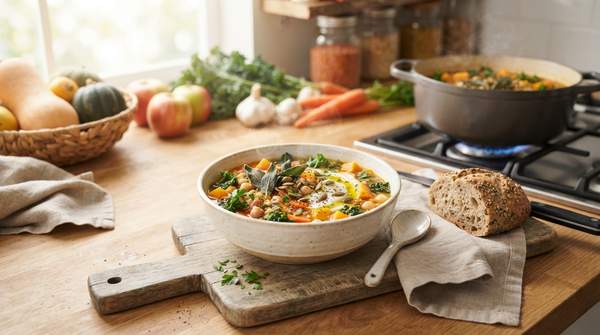
Imagine a weeknight dinner on the table in 25 minutes, actively lowering your cholesterol and blood pressure, all without sacrificing flavor. Cardiovascular disease remains the leading cause of death globally, according to the WHO. Yet, many believe heart-healthy meals demand extensive cooking and complex recipes. The reality is, delicious, nutrient-dense options can be prepared from scratch in under 30 minutes. This is crucial, as 60% of adults cite lack of time as a barrier to healthy home cooking, while the average American spends less than 20 minutes preparing weeknight dinner, according to the Food & Health Survey and USDA Food Atlas. These statistics reveal a disconnect: people want quick meals, but often perceive healthy ones as time-consuming. However, a few smart strategies and ingredient swaps empower busy individuals to significantly improve cardiovascular health through daily meals, making healthy eating a sustainable lifestyle, not a chore. Adopting a Mediterranean-style diet, for instance, can reduce heart disease risk by up to 30%, as reported in the New England Journal of Medicine. This proves that a healthy dinner in under 30 minutes is not just attainable, but a powerful tool for long-term well-being.
Speedy Suppers for a Healthy Heart
1. Sheet Pan Lemon Herb Salmon with Asparagus
Best for: Busy individuals seeking Omega-3s.
This single-pan dish combines flaky salmon with tender asparagus, seasoned with lemon and herbs. It cooks in 20 minutes with minimal cleanup, offering rich Omega-3s, according to Heart-Healthy Recipes.
Strengths: High in Omega-3s, quick 20-minute cook time, minimal dishes. | Limitations: May not appeal to non-fish eaters, fresh asparagus can be seasonal. | Price: Moderate.
2. Black Bean Burgers
Best for: Plant-based eaters, fiber seekers.
Homemade black bean patties, served on whole wheat buns, provide a hearty, fiber-rich meal. Prepared in 25 minutes, they offer high fiber and plant-based protein, as noted in the Veganuary Cookbook.
Strengths: High fiber, plant-based protein, 25-minute prep. | Limitations: Requires pre-made patties or quick assembly, some may prefer meat. | Price: Low.
3. Quick Chicken and Veggie Stir-fry
Best for: Those desiring lean protein and diverse vegetables.
Lean chicken strips and a colorful mix of vegetables are quickly stir-fried and served over brown rice. This meal takes 20 minutes, emphasizing lean protein and diverse vegetables, according to Asian Cooking Made Easy.
Strengths: Lean protein, nutrient-dense, 20-minute cook time. | Limitations: Requires some chopping, sauce ingredients can add sodium. | Price: Moderate.
4. Lentil Soup (Pre-cooked Lentils)
Best for: Cholesterol reduction, quick comfort food.
A warm, savory soup made with pre-cooked lentils, vegetables, and low-sodium broth, ready swiftly. It can be ready in 15 minutes, providing excellent soluble fiber for cholesterol reduction, based on Dietary Guidelines for Americans.
Strengths: Excellent soluble fiber, 15-minute prep, budget-friendly. | Limitations: May not be a full meal for some, relies on pre-cooked ingredients. | Price: Low.
5. Shrimp Scampi with Whole Wheat Pasta
Best for: Seafood lovers, whole-grain enthusiasts.
Succulent shrimp quickly sautéed with garlic, lemon, and olive oil, tossed with whole wheat pasta. This is a 20-minute meal, offering lean protein and whole grains, per the Mediterranean Diet Cookbook.
Strengths: Lean protein, whole grains, 20-minute meal. | Limitations: Shrimp can be expensive, not suitable for shellfish allergies. | Price: Moderate.
These diverse options prove that a heart-healthy diet doesn't mean sacrificing variety or flavor, even on the busiest nights. The key is embracing efficient cooking methods and nutrient-dense ingredients.
Smart Swaps: Maximizing Health & Minimizing Time
| Choice | Time Impact | Health Impact | Why it Matters |
|---|---|---|---|
| Grilling or baking fish vs. Deep-frying | 20 mins vs. 5 mins | Retains more nutrients, significantly reduces saturated fat | Grilling or baking fish retains more nutrients and significantly reduces saturated fat, according to the American Heart Association. This trade-off prioritizes long-term health over minimal time savings. |
| Quinoa or brown rice vs. White rice | Adds 5-10 minutes | Doubles fiber content | Swapping white rice for quinoa or brown rice adds 5-10 minutes cooking time but doubles fiber content, as reported by Harvard Health. Increased fiber aids digestion and cardiovascular health. |
| Canned, no-salt-added beans vs. Dried beans | 0 prep vs. 60+ mins prep | Maintains fiber without added sodium | Using canned, no-salt-added beans saves significant time without compromising fiber content, according to the USDA Nutrient Database. This swap is crucial for quick, low-sodium meals. |
| Pre-chopped vegetables vs. Fresh whole vegetables | 0 prep vs. 10-15 mins prep | Maintains nutrient value, reduces prep time | Pre-chopped vegetables can cut meal prep time by 10-15 minutes compared to fresh whole vegetables, states Meal Prep Solutions. Convenience here supports consistent healthy eating. |
| Homemade vinaigrettes vs. Store-bought dressings | 2 mins prep | Lower sodium, healthier fats | Homemade vinaigrettes offer lower sodium and healthier fats than many store-bought dressings, as noted by Consumer Reports. This small effort yields significant health benefits. |
These comparisons reveal that small, informed choices can significantly elevate the health profile and efficiency of weeknight meals, proving that a little foresight goes a long way in sustaining heart health.
Your Blueprint for 30-Minute Heart-Healthy Meals
Batch cooking grains like quinoa or brown rice on weekends saves 15-20 minutes on weeknights, according to Meal Prep Mastery. This proactive step ensures a quick base for multiple meals throughout the week, making healthy foundations effortless.
Utilizing frozen pre-cut vegetables can reduce chopping time by 10 minutes per meal, as highlighted in Cooking Light Magazine. These frozen options retain nutrients and streamline the cooking process, proving convenience doesn't compromise nutrition.
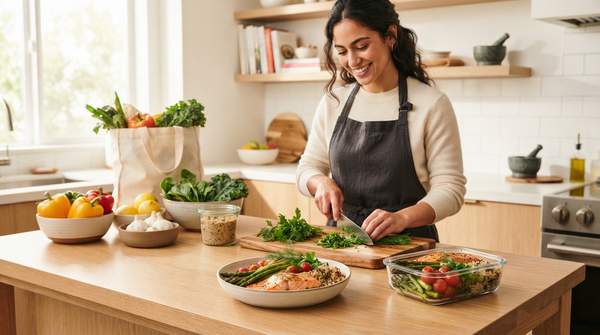
One-pan or sheet-pan recipes minimize cleanup and active cooking time to under 25 minutes, states Busy Family Kitchen. Such methods optimize efficiency, making quick heart-healthy dinners feasible even on the busiest evenings, transforming cooking from a chore to a simple pleasure.
Keeping a well-stocked pantry with staples like canned tomatoes, whole-wheat pasta, and spices enables spontaneous healthy cooking, according to Cook Smarter. This readiness reduces reliance on less healthy takeout options, ensuring good choices are always within reach.
Learning basic knife skills can shave 5-7 minutes off vegetable prep for many dishes, as taught by the Culinary Institute of America. Efficient chopping directly translates to faster meal assembly. Mastering these foundational techniques empowers home cooks to consistently create nutritious meals efficiently, turning kitchen competency into a health advantage.
The Lasting Impact of Quick, Healthy Choices
Consistently eating home-cooked meals is associated with lower body fat and better diet quality, according to Public Health Nutrition. This direct link reinforces the importance of kitchen time for overall health.
A meta-analysis showed that regular consumption of plant-based meals significantly lowers LDL cholesterol, as published in the Journal of the American Heart Association. Quick, plant-forward dinners contribute directly to this benefit, making a tangible difference in cardiovascular markers.
Reducing saturated fat and sodium intake through home cooking can lower blood pressure by 5-10 mmHg, according to the Mayo Clinic. These tangible health improvements are achievable with mindful meal preparation, translating directly to a healthier heart.
Meal planning for the week can save an average of 2-3 hours of cooking time and reduce food waste, states the Environmental Protection Agency. This efficiency supports both personal health and environmental sustainability, showing that healthy choices extend beyond the plate.
Making healthy eating convenient is key to long-term adherence to dietary recommendations, as noted by Behavioral Nutrition. This means prioritizing simple, heart-healthy weeknight dinners isn't just about a single meal; it's a powerful investment in sustained well-being and quality of life.
Your Heart-Healthy Dinner Questions, Answered
Are quick heart-healthy meals expensive?
No, many quick healthy meals are often cheaper than takeout options. Buying ingredients in season and in bulk helps reduce costs, according to Budget Bytes. Strategic shopping makes nutritious eating.g more accessible, proving health doesn't have to break the bank.
Can I still eat flavorful food on a heart-healthy diet?
Absolutely; a heart-healthy diet does not mean sacrificing flavor. Herbs, spices, citrus, and healthy fats like olive oil add immense taste without unhealthy additives, as highlighted by the Flavor Bible. Focusing on fresh ingredients naturally enhances flavor profiles, making healthy delicious.
Is frozen fish as healthy as fresh fish for quick dinners?
Yes, flash-frozen fish retains nearly all its nutritional value compared to fresh fish. It is often more convenient for quick dinners, providing a reliable source of Omega-3s, according to Seafood Watch. This makes it an excellent option for last-minute meal preparation, ensuring quality nutrition is always at hand.
By 2026, the demand for accessible, quick heart-healthy options will likely push major food retailers, like Whole Foods Market, to expand their pre-prepped meal kits, making nutritious cooking even easier for busy consumers.