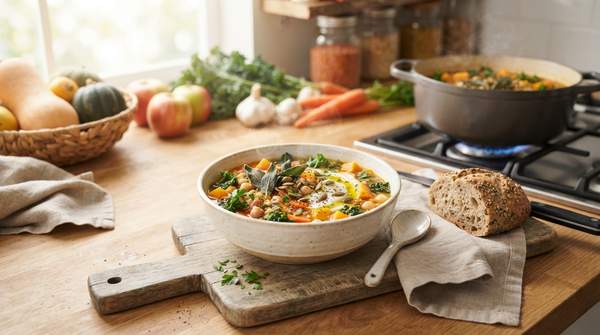
Chronic inflammation, a silent contributor to 7 out of 10 leading causes of death, can be actively combated with a delicious dinner prepared faster than ordering takeout. This pervasive health challenge is linked to major diseases such as heart disease, diabetes, and cancer, as noted by the World Health Organization.
Many assume anti-inflammatory meals demand extensive cooking time and exotic ingredients, yet simple swaps and efficient techniques make them achievable in under 30 minutes. This misconception, that healthy cooking is inherently time-consuming, deters many; a National Institutes of Health survey found lack of time a primary obstacle, leading over 60% of Americans to eat fast food weekly for convenience, per a Gallup Poll. But dietary choices profoundly impact inflammation, as Harvard Health Publishing confirms. Quick, anti-inflammatory dinners offer an accessible, effective strategy to improve long-term health and reduce disease risk, directly challenging the notion that healthy eating is difficult for busy individuals.
Your 30-Minute Anti-Inflammatory Dinner Arsenal
Turmeric Salmon with Roasted Asparagus
Best for: Seafood lovers seeking a nutrient-dense, flavorful meal.
This dish features omega-3s from salmon and curcumin from turmeric, potent anti-inflammatory compounds. Prep takes 10 minutes, with a 15-minute cook time, as demonstrated by Chef John's Kitchen. Roasting both protein and vegetable on one sheet pan ensures minimal cleanup.
Strengths: High in anti-inflammatory omega-3s; quick, one-pan preparation; vibrant flavor profile. | Limitations: Requires oven heating; salmon can be more expensive than other proteins. | Price: $4-6 per serving
Quinoa Bowl with Black Beans and Avocado
Best for: Vegetarians, vegans, or those seeking a no-cook, fiber-rich option.
This bowl provides fiber, healthy fats, and antioxidants without any cooking. Prep takes 15 minutes. It combines cooked quinoa, black beans, avocado, and fresh vegetables for a complete meal, a concept popularized by Minimalist Baker. This recipe proves raw, fresh ingredients can form a satisfying, health-supportive dinner.
Strengths: No cooking required; rich in plant-based protein and fiber; highly customizable with various toppings. | Limitations: Requires pre-cooked quinoa; some may prefer a warm meal. | Price: $4-6 per serving
Ginger-Garlic Chicken Stir-fry with Broccoli
Best for: Those craving an aromatic, quick-cooking Asian-inspired meal.
Utilizing potent anti-inflammatory spices like ginger and garlic, this stir-fry comes together quickly. Prep takes 10 minutes, with a 10-minute cook time, according to Food Network Kitchen. High heat stir-frying ensures vegetables retain crispness while cooking rapidly.
Strengths: Fast cooking time; potent anti-inflammatory spices; versatile with different vegetables. | Limitations: Requires constant attention during cooking; some chopping involved. | Price: $4-6 per serving
Lentil Soup with Spinach and Tomatoes
Best for: A comforting, one-pot meal that's budget-friendly and nutrient-dense.
This one-pot meal is rich in plant-based protein and phytonutrients. Prep takes 10 minutes, with a 20-minute cook time, as showcased by Cookie and Kate. It offers a warm, satisfying option, easily made in a larger batch for meal prepping.
Strengths: One-pot cleanup; excellent source of plant protein and fiber; easily scalable for leftovers. | Limitations: Requires simmering time; texture might not appeal to everyone. | Price: $4-6 per serving
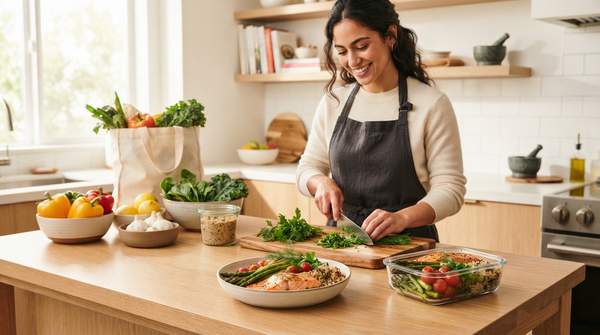
Quick Anti-Inflammatory vs. Standard Weeknight Meals
Opting for these quick anti-inflammatory meals offers significant health, and often financial, advantages over less healthy, equally time-consuming alternatives. The average cost of a featured anti-inflammatory recipe is $4-6 per serving, which is often less than a single fast-food meal, according to a Consumer Reports analysis. This directly challenges the 'exotic ingredient' myth, demonstrating that effective anti-inflammatory meals can be built from common, affordable pantry staples.
| Meal Type | Prep/Cook Time | Key Nutritional Benefits | Typical Sodium/Sugar | Average Cost |
|---|---|---|---|---|
| Quick Anti-Inflammatory Dinner | 15-30 minutes | High fiber, rich in vitamins, beneficial phytochemicals, healthy fats | Low (often under 500mg sodium, under 10g sugar) | $4-6 per serving |
| Typical Fast-Food Burger Meal | 10-25 minutes (including wait/delivery) | Minimal fiber, high in saturated fat, refined carbs | Over 1000mg sodium, 50g+ sugar | $7-12 per serving |
A typical fast-food burger meal can contain over 1000mg of sodium and 50g of sugar, contributing significantly to inflammation, according to USDA FoodData Central. In stark contrast, anti-inflammatory meals provide significantly higher levels of fiber, vitamins, and beneficial phytochemicals compared to processed convenience foods, as reported in the Journal of Nutrition. Preparing a quick anti-inflammatory dinner takes an average of 25 minutes, comparable to or faster than waiting for takeout or delivery, based on DoorDash average delivery time data. This convenience factor positions quick anti-inflammatory dinners as a viable, healthier alternative to unhealthy takeout, challenging established consumer habits.
The Science Behind Speed and Health
By understanding and applying these core principles, anyone can adapt their cooking to be both faster and more health-supportive, making anti-inflammatory eating a sustainable lifestyle. Key anti-inflammatory ingredients include turmeric, ginger, omega-3 fatty acids (found in salmon), and leafy greens, as outlined by Harvard Medical School. These ingredients are readily available and form the backbone of quick, effective meals.
Efficient cooking techniques like sheet pan meals, stir-frying, and one-pot dishes drastically reduce cooking and cleanup time, a benefit highlighted by America's Test Kitchen. Batch prepping ingredients such as chopped vegetables or cooked grains on weekends can cut weeknight dinner prep by half, according to the Mayo Clinic Health System. Furthermore, using frozen fruits and vegetables retains nutritional value and saves significant preparation time, a fact supported by the USDA National Nutrient Database. The primary barrier to adopting anti-inflammatory diets isn't nutritional complexity, but the widespread misconception that healthy cooking is inherently time-consuming, preventing many from realizing achievable health gains.
Reclaim Your Health, One Dinner at a Time
Consistent consumption of anti-inflammatory foods measurably reduces inflammatory markers and lowers chronic disease risk, as found in the Journal of Clinical Nutrition and National Institutes of Health research. The true power lies in the simplicity and speed of these sub-30-minute meals, fostering higher adherence and more significant long-term health outcomes than complex diets. If individuals consistently embrace these quick, anti-inflammatory dinners, they will likely reclaim not just their health, but also valuable time and financial resources, challenging the long-held belief that healthy eating is inherently difficult.