What are the functions of vitamins and minerals for health?

Just one element, zinc, acts as a critical cofactor for over 100 enzymes and directly regulates gene expression, demonstrating how a single micronutrient orchestrates vast biological processes.

RP
Ryan Patel

June 30, 2026 · 4 min read

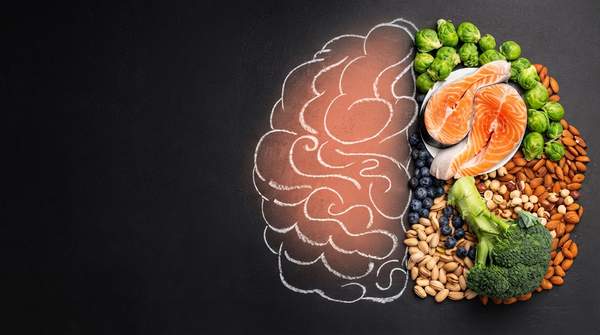
A visually appealing arrangement of fresh fruits and vegetables with a subtle, glowing infographic showing the interconnectedness of vitamins and minerals in the body.

Just one element, zinc, acts as a critical cofactor for over 100 enzymes and directly regulates gene expression, demonstrating how a single micronutrient orchestrates vast biological processes. The trace mineral's influence spans energy production to cellular signaling, making its presence essential for daily physiological function.

However, micronutrients are required in tiny amounts, yet their absence can trigger widespread, severe health dysfunctions across nearly every bodily system. Their minute quantities often belie their foundational importance, leading to underestimation of their profound impact.

Therefore, a nuanced understanding of micronutrient roles is crucial for public health. Even subtle deficiencies can cascade into significant, often overlooked, health burdens, compromising overall well-being and increasing disease susceptibility.

Understanding the Foundational Role of Micronutrients

The human body relies on a complex network of internal processes, many underpinned by micronutrients. Vitamins B1 through B12, for instance, collectively convert food into usable energy while supporting blood vessel integrity, brain function, the immune system, and the nervous system, according to My. Beyond energy metabolism, many micronutrients provide crucial cellular protection. Tocopherols (vitamin E) and carotenoids (vitamin A precursors) possess significant antioxidant properties, directly quenching oxidant activity and safeguarding cells from free radical damage, as detailed by pmc.ncbi.nlm.nih.gov. These compounds are fundamental building blocks and regulators for nearly every vital process, from energy conversion to cellular defense.

The Unseen Architects: How Micronutrients Power Life

Micronutrients actively participate in core cellular processes, functioning as unseen architects of biological activity. Zinc, for example, serves as a cofactor for over 100 enzymes, playing a role in diverse reactions from DNA synthesis to protein metabolism, according to pmc.ncbi.nlm.nih.gov. Similarly, riboflavin and niacin (B vitamins) are critical components in the electron transport chain, generating ATP, the body's primary energy currency, as also noted by pmc.ncbi.nlm.nih.gov. Direct involvement ensures efficient energy production within mitochondria. Selenium further illustrates this direct enzymatic integration, required as selenocysteine within glutathione peroxidase, a critical antioxidant defense enzyme. Micronutrients are not passive components; they are essential, active participants in the body's fundamental energy production and protective biochemical reactions, ensuring cellular integrity and function.


Precision Regulators: From Genes to Immunity

Beyond basic metabolism, micronutrients precisely control advanced biological regulation, including genetic expression and immune response. Zinc 'fingers' are transcription control factors that directly bind to DNA, regulating steroid hormone receptors and other factors, as reported by pmc.ncbi.nlm.nih.gov. Zinc is elevated from a simple enzymatic helper to a fundamental controller of cellular identity. Simultaneously, zinc promotes immunity, enhances infection resistance, and supports nervous system growth and development, according to the Centers for Disease Control and Prevention (CDC). Zinc's dual role in gene regulation and immune function means zinc deficiency can have widespread implications, not just localized issues. Vitamin C further demonstrates these intricate roles, assisting in new tissue growth, wound healing, and strengthening the immune system, according to My. Vitamin C's involvement in collagen synthesis and immune modulation is important. Micronutrients orchestrate complex biological responses through precise control over gene expression, immune function, and neurological development.

Systemic Vulnerability: When Micronutrients Fall Short

The interconnected nature of micronutrient functions means a deficiency in even one element triggers widespread systemic dysfunctions. Inadequate zinc levels, for instance, compromise cellular command and control mechanisms, particularly gene regulation via zinc fingers. Inadequate zinc levels fundamentally alter how cells respond to signals, impacting numerous physiological pathways. The body's vital systems rely on a distributed yet interconnected network; a shortfall in one area creates ripple effects throughout the entire system, compromising seemingly unrelated functions. Micronutrients also form a multi-layered cellular defense. While some, like certain forms of vitamin A and E, directly neutralize harmful oxidants, others, such as selenium, are integral to antioxidant enzymes like glutathione peroxidase, as noted by pmc.ncbi.nlm.nih.gov. A deficiency in any component weakens overall resilience against cellular damage. The prevailing notion that 'tiny amounts' equates to 'minor importance' is dangerously misleading; even slight deficiencies represent a systemic vulnerability, not a localized inconvenience.

The Cornerstone of Health: Preventing Disease and Building Resilience

Micronutrients are indispensable for overall health, disease prevention, and maintaining bodily integrity. Vitamin D, for example, partners with calcium for healthy bones, brain health, and immune support, according to My. Vitamin D's dual role in skeletal strength and systemic defense contributes significantly to long-term well-being. Vitamin K ensures effective blood clotting, preventing excessive bleeding, as also stated by My. Without adequate vitamin K, the body's ability to heal and maintain vascular integrity would be severely compromised. Therefore, a holistic, nutrient-dense diet is not merely beneficial but a non-negotiable strategy for maintaining complex biological integrity against potential dysfunctions.

What happens if you don't get enough vitamins and minerals?

Insufficient intake leads to health problems ranging from mild impairments to severe dysfunctions. Iodine deficiency, for instance, can cause thyroid dysfunction, goiter, and intellectual impairment, as detailed by pmc.ncbi.nlm.nih.gov. Such deficiencies compromise fundamental biological processes, creating systemic vulnerabilities.

Which vitamins and minerals are most important for health?

While all essential vitamins and minerals are vital, some have widespread impact. Zinc is crucial as a cofactor for over 100 enzymes and a regulator of gene expression. Vitamin D is essential for bone health and immune function. B vitamins are indispensable for energy metabolism, and Vitamin C supports immune strength and tissue repair.

How can I find reliable information on specific micronutrients?

For detailed, evidence-based information, the Office of Dietary Supplements (ODS) provides comprehensive fact sheets. These resources offer insights into recommended intakes, food sources, and potential health effects, ensuring access to accurate nutritional guidance.

By 2026, public health initiatives will likely increasingly highlight the necessity of diverse, nutrient-dense diets to combat the persistent global challenge of micronutrient deficiencies, which currently impact over 2 billion individuals worldwide, according to the World Health Organization.