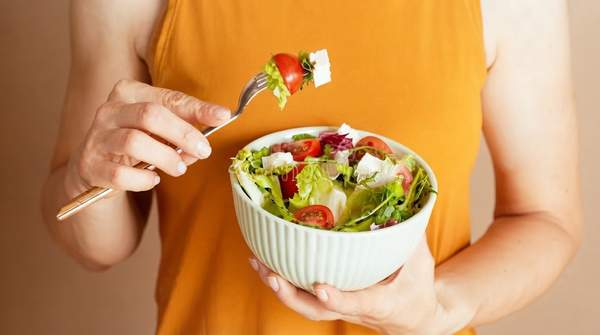
Clean eating is an unregulated label, not a medical prescription. At its best, it describes a diet built around whole, minimally processed foods—fruits, vegetables, lean proteins, and healthy fats—which aligns with mainstream dietary guidance. At its worst, it becomes a set of rigid rules that eliminate entire food groups without medical reason, fuel anxiety and guilt around food, and can open the door to disordered eating. Understanding the difference between those two versions is the whole game.
What is 'Clean Eating'?
There is no official definition. The term is unregulated, which is why interpretations vary so widely—from simply cooking more at home to cutting out gluten, dairy, sugar, and anything with an ingredient you can't pronounce. Across health sources, though, a common core emerges: clean eating means choosing foods that stay as close to their natural state as possible, favoring whole or "real" foods over heavily refined and processed ones.
Mayo Clinic Health System describes the approach as filling your body with vitamins, minerals, high-quality protein, and healthy fats from foods in their natural state. A care-team resource frames it similarly: minimally refined, minimally handled, minimally processed. In a study of U.S. adolescents and young adults published through the National MyVoice cohort, 55% of respondents had heard of "clean" eating, most commonly through social media, other online sources, and peers—and their definitions varied widely too.
That variability matters. Because no regulator defines the term, "clean" can mean almost anything a blogger, influencer, or food brand wants it to mean, which is exactly where the trouble starts.
The Dual Nature: Benefits of Whole Foods vs. Risks of Restriction
The beneficial side of clean eating is essentially ordinary healthy eating. Mayo Clinic Health System notes that foods rich in vitamins, minerals, quality protein, and healthy fats support heart and brain health, assist with weight management, and build a stronger immune system. The American Medical Association's physician guidance points in the same direction: eat whole foods, lean protein, healthy oils, and fewer processed foods—principles the Mediterranean diet embodies.
But the evidence for these benefits attaches to dietary patterns, not to the "clean" label itself. University of Florida recreation-sports health educators caution that while whole, unprocessed foods can benefit health, there is no conclusive scientific evidence that clean eating alone prevents disease—genetics, lifestyle, and environment all shape individual risk.
The restrictive side is where the pattern turns harmful. A UVA Health dietitian quoted in the health system's coverage of the trend warns that "one of the dangers of the extreme side of clean diets is how overly restrictive they are. Nobody can maintain them." Strict food rules, the University of Florida piece adds, can cause guilt and anxiety when you eat something "forbidden," and can slide into a disordered relationship with food that harms both mental and physical health over time.