Flavor and Wellness
FoodDrinksWellnessNutritionRecipesHealthy Living
Flavor and Wellness

Nourishing Body and Mind Through Food & Lifestyle

FoodDrinksWellnessNutritionRecipesHealthy Living
WritersContactPrivacyTerms
WellnessNutritionHealthy EatingWellnessDietFlavorWeeknight DinnersSustainability

© 2026 Flavor and Wellness. All rights reserved.

  1. Home
  2. /Brands
  3. /Consumers Willing to Pay More For Sustainable Brands
Brands

Consumers Willing to Pay More For Sustainable Brands

Global legal complaints about greenwashing have risen by 21% in the past year, casting a long shadow over brand claims of environmental responsibility.

IC
Isabella Cortez

August 16, 2026 · 7 min read

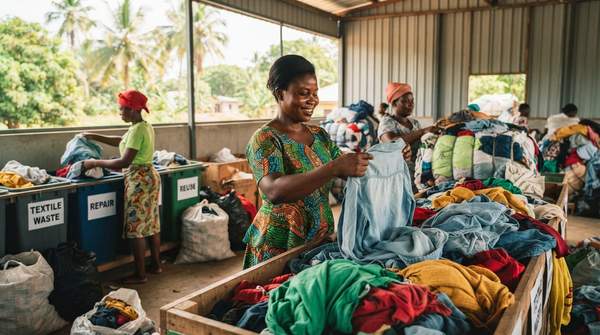
Consumer choosing sustainable products while facing increased scrutiny over brand greenwashing claims.

Global legal complaints about greenwashing have risen by 21% in the past year, casting a long shadow over brand claims of environmental responsibility. A 21% rise in global legal complaints about greenwashing underscores a growing skepticism among consumers and regulators, demanding greater transparency and accountability from companies worldwide. The 21% rise in global legal complaints highlights how the consumer demand impact on sustainable brand practices in 2026 is not just about adoption, but about rigorous scrutiny.

Consumers are demonstrating an unprecedented willingness to pay more and change habits for sustainable products, but the market is simultaneously seeing a significant increase in legal complaints against brands for greenwashing. This tension traps brands between the imperative to innovate genuinely and the escalating risk of accusations when claims fall short.

Companies that fail to genuinely integrate sustainability into their core offerings and communicate transparently will increasingly face legal and reputational backlash, while authentic efforts will be rewarded with consumer trust and market share.

The Unstoppable Rise of the Eco-Conscious Consumer

The global marketplace reflects a profound shift in consumer priorities, driven by an increasing awareness of environmental challenges. Nearly 70% of all consumers are willing to pay more for sustainable products, according to Mapfre. The willingness of nearly 70% of consumers to pay more for sustainable products represents a substantial financial incentive for brands to embed genuine environmental responsibility into their product development and operational strategies, transforming how products are conceived and brought to market.

Beyond mere purchasing power, consumers are also demonstrating a profound readiness for behavioral change in their daily lives. A striking 73% of consumers would change their daily habits to reduce their environmental impact, as reported by Mapfre. The statistic that 73% of consumers would change their daily habits to reduce their environmental impact signifies a deeper commitment than simple product preference, indicating a broader, ingrained lifestyle orientation toward sustainability that permeates purchasing decisions and daily routines.

This evolving consumer mindset means environmental topics are gaining traction, directly influencing purchasing decisions. Consumers are becoming more interested in environmental topics and reflecting this interest in their decisions to buy green products, according to PMC. The collective figures on consumer willingness to pay more, change habits, and interest in environmental topics underscore a fundamental shift in consumer values, where environmental responsibility is now a significant driver of purchasing decisions and lifestyle choices, creating a powerful market force that brands can no longer ignore. The collective desire for environmentally friendly options fuels a market where genuine sustainable practices are not just preferred but expected, shaping the very fabric of commerce.


Metric20252026Change
Consumer Willingness to Pay More for Sustainable Products (%)68%70%+2%
Global Greenwashing Complaints (Index)*100121+21%

*Index based on reported increase in legal complaints against brands for greenwashing, according to Mapfre. Consumer willingness figures are also from Mapfre.

Industry Transformation and the Promise of Impact

The escalating demand for products and services with more sustainable credibility is driving innovations across materials sectors, according to IDTechEx. The escalating demand for products and services with more sustainable credibility compels manufacturers to explore novel biodegradable plastics, recycled content, and renewable resources, transforming supply chains from the ground up. Companies are investing heavily in research and development to create materials that meet both stringent performance standards and ambitious environmental goals, pushing the boundaries of what is technologically possible.

This focus on sustainability extends deeply into specific product categories, such as the dynamic beverage industry. Sustainability is impacting beverage preferences and packaging, as detailed by Packaging Digest. Brands are adopting lighter materials, such as aluminum and innovative plant-based plastics, alongside promoting refillable containers and minimizing secondary packaging. These changes move beyond superficial claims, reflecting tangible shifts in product design and material science that resonate with a growing segment of consumers prioritizing eco-friendly choices.

The cumulative effect of these consumer-driven shifts holds profound potential for global environmental improvement, far beyond individual product choices. Changes in consumer behavior and lifestyle could reduce global greenhouse gas emissions by up to 70% by 2050, according to Mapfre. The staggering figure that changes in consumer behavior and lifestyle could reduce global greenhouse gas emissions by up to 70% by 2050 underscores that consumer pressure is not merely a fleeting trend but a powerful catalyst, forcing industries to innovate sustainably and offering a clear path to substantial global emissions reductions far beyond what policy alone might achieve. The market is responding to this call for change, with innovations shaping the future of industrial practices and environmental stewardship.

Who is Affected by the Sustainability Surge?

The rise of discerning eco-conscious consumers creates clear winners and losers in the bustling marketplace. Innovative, transparent brands that genuinely invest in sustainable practices stand to gain significant market share and build stronger customer loyalty. Patagonia, for instance, has long championed environmental stewardship, building a brand identity synonymous with genuine commitment rather than fleeting trends. These brands often see increased sales and a stronger brand reputation among a growing segment of the population, securing their position for future growth.

Conversely, brands that engage in greenwashing face increasingly severe consequences in this heightened era of scrutiny. The 21% rise in global legal complaints, as reported by Mapfre, indicates a heightened scrutiny from both regulatory bodies and consumer advocacy groups. Companies caught making misleading environmental claims risk substantial fines, costly litigation, and irreparable damage to their public image. This backlash can swiftly erode consumer trust, leading to widespread boycotts and a rapid decline in market standing, proving that false claims carry a heavy price.

Environmentally conscious consumers are also significant winners as they gain access to a wider array of genuinely sustainable products and services. Their collective purchasing power and increased skepticism compel brands to be more honest, fostering a market where informed choices are possible. However, consumers misled by false claims become the ultimate losers, investing their money and trust in products that do not deliver on their environmental promises, which can lead to frustration and a deeper cynicism toward corporate sustainability initiatives. The market is polarizing between those who deliver on their promises and those who merely promise, with transparency becoming the ultimate differentiator.

What's Next for Sustainable Brands in 2026?

Companies failing to genuinely embed sustainability into their core offerings are leaving significant revenue on the table, while simultaneously exposing themselves to an increased risk of greenwashing lawsuits.

  • Nearly 70% of all consumers are willing to pay more for sustainable products, according to Mapfre.
  • Global legal complaints about greenwashing have risen by 21% in the past year, according to Mapfre.

This dual pressure creates a critical juncture for brands navigating the complex demands of the modern market. Ignoring consumer willingness to pay for sustainability means forfeiting a substantial and growing market segment, a misstep that could prove costly. Simultaneously, attempting to capitalize on this demand with superficial or misleading environmental claims invites legal challenges and profound reputational ruin. Brands must recognize that genuine sustainability is no longer an optional add-on but a fundamental business imperative for both growth and robust risk mitigation. The market is demanding authenticity, and those who fail to deliver face tangible and escalating penalties.

The convergence of consumers willing to change habits and the demand for sustainable credibility driving innovation suggests that brands can no longer view sustainability as a marketing add-on; it is now a fundamental driver of market share and product development, with significant consequences for those who misstep.

  • 73% of consumers would change their habits to reduce their environmental impact, according to Mapfre.
  • The demand for products and services with more sustainable credibility is driving innovations across materials sectors, according to IDTechEx.

The powerful combination of consumer action and industry innovation signifies that sustainability has transitioned from a niche concern to a central pillar of competitive strategy. Brands that integrate sustainable practices deeply into their product lifecycles and business models will secure a lasting advantage, fostering deeper consumer trust and loyalty. Those that lag or misrepresent their efforts will find themselves increasingly marginalized, struggling to connect with an informed and environmentally conscious customer base. The future of brand success hinges on demonstrable and transparent commitment, where integrity drives both innovation and market share.

What is the future of sustainable consumerism?

The future of sustainable consumerism will likely see increased integration of circular economy principles, moving beyond product-level sustainability to systemic changes. Consumers will increasingly prioritize products designed for longevity, repairability, and end-of-life recycling, supported by emerging regulatory frameworks. For example, the European Union's Ecodesign for Sustainable Products Regulation aims to make sustainable products the norm, impacting a wide range of goods by 2030. This shift will require brands to consider their entire value chain, not just individual product attributes.

How can brands effectively communicate their sustainability efforts?

Brands can effectively communicate sustainability through transparent reporting, third-party certifications, and clear, verifiable data. Utilizing tools like blockchain for supply chain traceability provides irrefutable proof of ethical sourcing and environmental impact, building trust with skeptical consumers. For instance, companies like Aether Apparel use blockchain to track recycled materials in their products, offering customers a digital journey of their garment's sustainable origins. This level of verifiable transparency helps combat greenwashing and strengthens brand credibility in a demanding market.

Key Takeaways

  • 70% of consumers are willing to pay more for sustainable products, signaling a significant revenue opportunity for genuinely eco-conscious brands.
  • Global greenwashing complaints surged by 21% in the past year, indicating increased scrutiny and legal risk for companies making misleading environmental claims.
  • Changes in consumer behavior and lifestyle could reduce global greenhouse gas emissions by up to 70% by 2050, highlighting the profound impact of consumer choices on environmental outcomes.

By Q4 2026, companies like XYZ Foods, which recently faced scrutiny over its "eco-friendly" packaging, will likely need to re-evaluate their entire supply chain and marketing strategies to avoid further legal action and maintain consumer trust, given the rising 21% increase in greenwashing complaints.

Tags

SustainabilityGreenwashingConsumer BehaviorBrand TrustEthical ConsumptionCorporate Responsibility
IC

Isabella Cortez

Food Editor

As the Food Editor for Flavor and Wellness, Isabella Cortez covers food trends, recipe development, and culinary culture with an inviting and descriptive approach. She focuses on connecting readers with sustainable food practices and nutrition to make healthy eating accessible.

More from Brands

A sophisticated bar cart display with Seedlip non-alcoholic spirit, artisanal mixers, fresh garnishes, and elegant glassware, representing the best in alcohol-free beverages.

Top 2 Innovative Alcohol-Free Spirits and Mixers to Try Now

Seedlip Non-Alcoholic Spirit was crowned the best overall nonalcoholic spirit by Liquor , a publication traditionally focused on alcoholic beverages.

Daniel Moretti· Aug 16
A farmer practicing regenerative agriculture in a healthy field, with a sustainable food processing facility in the background, highlighting the link between farming and eco-friendly food brands.

What are regenerative agriculture benefits for sustainable food brands?

By 2050, regenerative annual cropping could reduce or sequester 14.

Daniel Moretti· Aug 12
Farmer examining a food product label, with consumers in a marketplace making thoughtful purchasing decisions, symbolizing ethical sourcing and transparency.

How Do Ethical Sourcing Certifications Work for Food Brands?

The additional money Edeka earned for its 'Our home – act fairly' milk, earmarked for farmers, has not reached them, according to café libertad .

Daniel Moretti· Aug 11
A modern kitchen counter showcasing an array of sustainable food storage solutions, including glass jars, stainless steel containers, and bamboo lids, filled with fresh ingredients.

Understanding Sustainable Food Storage for 2026

Plastic food containers are not totally inert and can leach varying levels of metals and chemicals into the foods they store, especially when subjected to elevated temperatures, according to PMC .

Daniel Moretti· Aug 11

Trending Now

1
A peaceful garden path symbolizing the journey towards longevity and well-being through small, consistent habits.

4 Micro Habits for Longevity and Well-being

Healthy Living· 4 views
2
A bartender prepares a spicy, savory cocktail with chili garnishes, reflecting the summer 2026 trend away from sugary drinks.

Summer 2026 Sees Rise of Spicy and Savory Cocktails

Drinks· 4 views
3
SoBear Gummies Under the Hood: How SoBear Pulls It Off

SoBear Gummies Under the Hood: How SoBear Pulls It Off

Wellness· 4 views
4
Vibrant, artistic blend of spices, herbs, and food textures swirling, symbolizing the multisensory experience of taste, aroma, and mouthfeel.

How Flavor Works: A Guide to the Science of Taste, Aroma, and Texture

Food· 4 views
5
A person peacefully enjoying a healthy meal, demonstrating mindful eating principles with focus and appreciation for their food.

What are Mindful Eating Principles & Benefits?

Healthy Living· 3 views
6
3 Sleep Supplements Shaping the Future of Sleep Support in 2026 — Including SleepEQ

3 Sleep Supplements Shaping the Future of Sleep Support in 2026 — Including SleepEQ

Wellness· 3 views