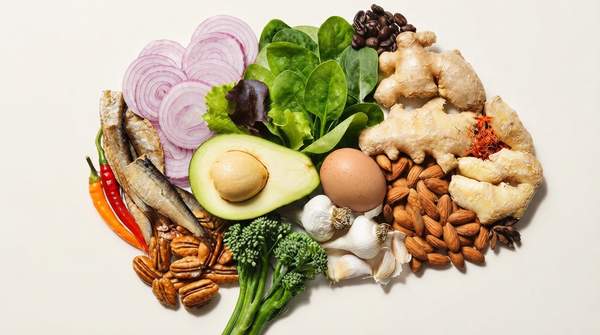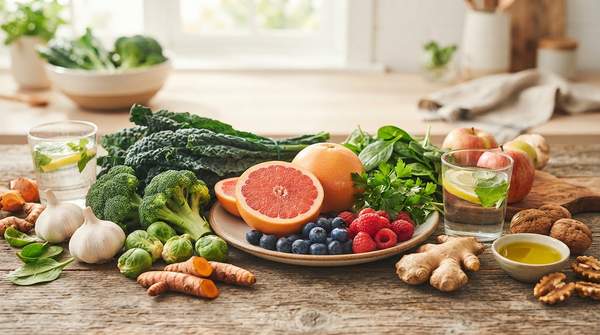
Your body already runs a sophisticated detoxification system around the clock, and the most reliable way to support it is not a juice cleanse but a varied, nutrient-dense diet. The liver converts harmful substances into water-soluble compounds through a two-phase process, and each phase depends on specific nutrients — antioxidants for Phase I, and sulfur compounds plus amino acids for Phase II — that come from ordinary whole foods like berries, broccoli, garlic, and quality protein. Understanding that machinery, and which foods feed it, is what separates evidence-based eating from commercial "detox" fads.
Understanding Your Body's Natural Detoxification
Detoxification is not an event you schedule once a season. As the genetics-focused health site Genetic Lifehacks explains, "it is a biotransformation system that continuously converts harmful substances into water-soluble compounds to remove them from the body." The liver is the central organ in that system, but it does not work alone: the gut, kidneys, lymphatic system, and skin all participate in eliminating toxins, according to the nutrition writers at Levels.
Because the process runs constantly, it needs consistent nutritional support rather than intermittent rescue diets. The Institute for Functional Medicine makes a similar point from the clinical side, describing its phytonutrient-dense Detox Food Plan as a therapeutic approach that helps patients "eat more of those foods that support pathways in the liver for healthy elimination, as well as reduce additional exposures to toxic compounds." In other words, supporting detoxification means two things: supplying the nutrients the pathways need, and reducing the incoming load of harmful substances in the first place.
Phase I: The Activation Stage
Phase I is the liver's first pass at a toxin. Through oxidation, reduction, and hydrolysis reactions — driven largely by a family of enzymes called cytochrome P450 (CYP450) — the liver chemically modifies foreign substances to prepare them for removal. The catch is that this modification can make toxins more reactive, not less: Phase I can generate intermediate compounds that are temporarily more dangerous than the originals and need prompt handoff to Phase II.
That reactivity is exactly why specific nutrients matter. Writing for CASI.org, nutritionist Danielle C. Male notes that a person's exposure, accumulation, and removal of toxins may be associated with the risk of chronic diseases such as cardiovascular disease and type 2 diabetes, and recommends a high-quality, mixed, varied whole-foods diet to help balance Phase I and Phase II activity. Antioxidant-rich foods help manage the reactive oxygen species generated during Phase I, which is why colorful fruits and vegetables earn their place in a detox-supportive diet.