Scotch whisky sales plummeted 8.1% in volume this May. Yet, Marks & Spencer is launching two extensive new spirits ranges, including a 10-bottle 'Distilled' collection, each priced at just £18. Marks & Spencer's launch of two extensive new spirits ranges, including a 10-bottle 'Distilled' collection each priced at just £18, directly challenges established spirit categories with accessible own-brand options. The 'Distilled' collection alone features vodka, gin, rum, brandy, whisky, and Tequila, all available from 8 September.
M&S's aggressive expansion comes as traditional spirits decline, even while retailers boost their own-brand and ready-to-drink (RTD) offerings. The market is in flux; consumers now prioritize convenience and value across the UK and beyond.
The spirits market fundamentally shifts towards accessibility and convenience. Brands failing to adapt will lose market share to agile retailers and RTD innovators.
The Diverging Fortunes of the Spirits Market
Total spirits sales in May contracted, with a 1.7% volume drop and a 4.4% value fall, according to The Spirits Business. The contraction in total spirits sales in May, with a 1.7% volume drop and a 4.4% value fall, hit traditional categories hard; Scotch whisky volume fell 8.1% and value 7.9% across US control states. Consumers are clearly pivoting away from long-standing spirit choices, challenging their historical dominance.
Conversely, the ready-to-drink (RTD) market shows robust growth. Canned cocktails in US control states surged 21.8% in volume and 21.7% in value in May, per The Spirits Business. The explosive growth of canned cocktails in US control states, surging 21.8% in volume and 21.7% in value in May, signals a fundamental shift: convenience now trumps traditional pouring and mixing rituals. In Britain, premixed cocktail sales have more than tripled since 2020, as reported by Vinetur.
The spirits market is bifurcating. Traditional categories decline as RTDs explode, a clear shift in consumer demand. This means interest in spirit-based drinks remains, but the preferred format has evolved, forcing producers to rethink offerings and distribution.
M&S's Comprehensive Play for the Modern Drinker
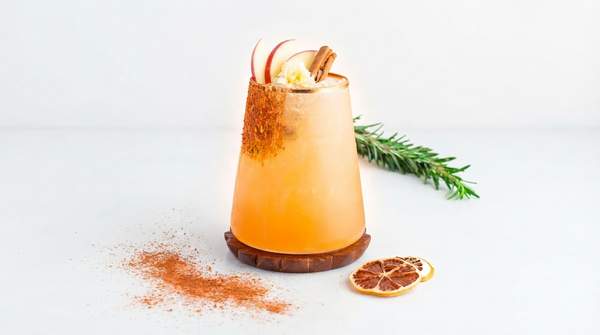
Marks & Spencer now stocks over 40 canned cocktails, starting at £2.50. Marks & Spencer now stocking over 40 canned cocktails, starting at £2.50, shows a significant commitment to the RTD segment, positioning the retailer as a key player in convenient beverages.
Beyond RTDs, M&S aggressively enters bottled spirits with its 'Distilled' collection. Each of the 10 bottles costs just £18. The range includes small-batch vodka, Old Tom gin, Bajan rum, Champagne VSPO cognac, Islay malt whisky, and Glenfarclas Highland Single Malt ten-year-old Scotch whisky, per The Drinks Business. M&S's aggressive entry into bottled spirits with its 'Distilled' collection, where each of the 10 bottles costs just £18, directly challenges established brands on affordability for at-home mixing, creating a 'value premium' segment. Traditional distillers will struggle to match these prices, potentially losing consumers to cheaper alternatives.
M&S positions itself as a leader in accessible, diverse spirits, offering both extensive canned cocktails and comprehensive own-brand spirits. M&S's approach of positioning itself as a leader in accessible, diverse spirits, offering both extensive canned cocktails and comprehensive own-brand spirits, captures market share from consumers prioritizing value and convenience. M&S leverages its brand trust and distribution, becoming a direct competitor to distillers. It dictates market trends, capturing value with affordable RTD and bottled spirit alternatives, fundamentally altering the competitive landscape.
The Generational Shift Driving New Trends
Younger demographics heavily influence canned cocktail growth. Millennials make up 40% of UK drinkers, Gen Z (over 21) 26%, according to Vinetur. Millennials making up 40% of UK drinkers and Gen Z (over 21) 26% highlights a generational pivot in alcohol consumption, driven by convenience, variety, and lower prices. Gen X accounts for 24%, boomers 10%, showing broad appeal. However, younger generations' strong representation suggests future market growth will hinge on their demand for accessible, diverse, and affordable choices.
Younger generations, particularly millennials and Gen Z, drive the canned cocktail boom. M&S's focus on convenience and variety directly targets this influential consumer base. This demographic prioritizes ease and variety, often at a lower price point. Legacy brands must innovate their formats or risk irrelevance among future consumers who value these attributes over traditional brand loyalty.
Implications for the Broader Spirits Market
Sales of premixed cocktails in Britain have more than tripled since 2020. The rapid growth of premixed cocktails in Britain, which have more than tripled since 2020, signals a long-term shift: consumers move from traditional spirit models to immediate, ready-to-serve solutions.
Traditional distillers face an existential threat. Retailers are now direct competitors, not just distributors, commoditizing established categories. Scotch whisky volume plummeted 8.1%, per The Spirits Business, while M&S aggressively prices its own-brand spirits at £18. Scotch whisky volume plummeting 8.1%, per The Spirits Business, while M&S aggressively prices its own-brand spirits at £18, intensifies competitive pressure, demanding strategic re-evaluation from legacy brands.
Companies clinging to traditional bottled spirits models trade market share for perceived prestige. M&S's dual strategy of booming RTD sales and value-priced own-brand spirits proves consumers prioritize accessible, convenient options, even for at-home mixing. Adaptability and value will be critical for survival. By Q3 2026, Marks & Spencer's continued expansion, particularly with its £18 'Distilled' collection, will compel traditional distillers to innovate or risk further market share erosion.